Blog
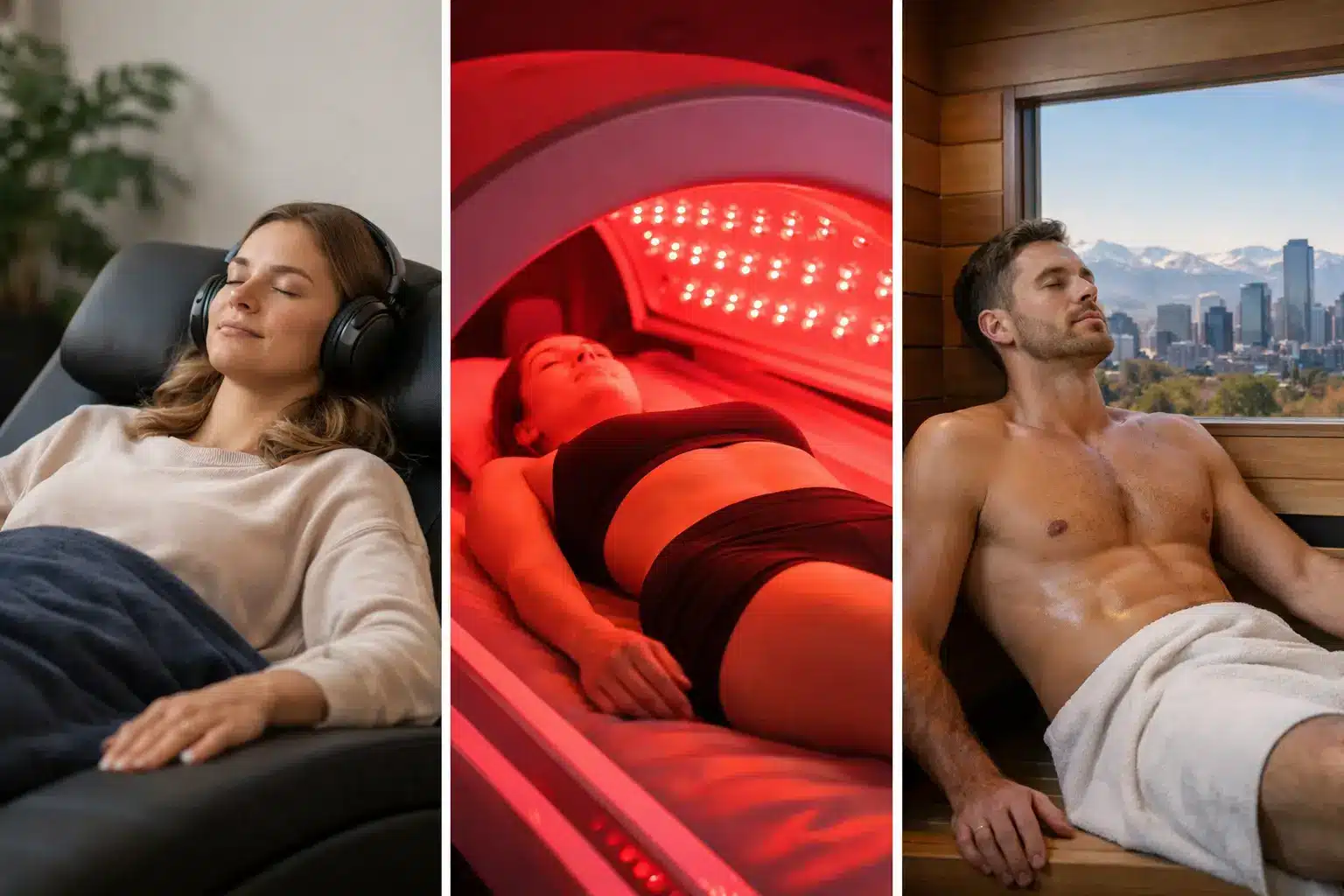
Denver Wellness Experiences for Nervous System Reset
Denver wellness experiences can go beyond a quick escape. Learn how light, sound, vibration, and heat support a calmer, more resilient nervous system.
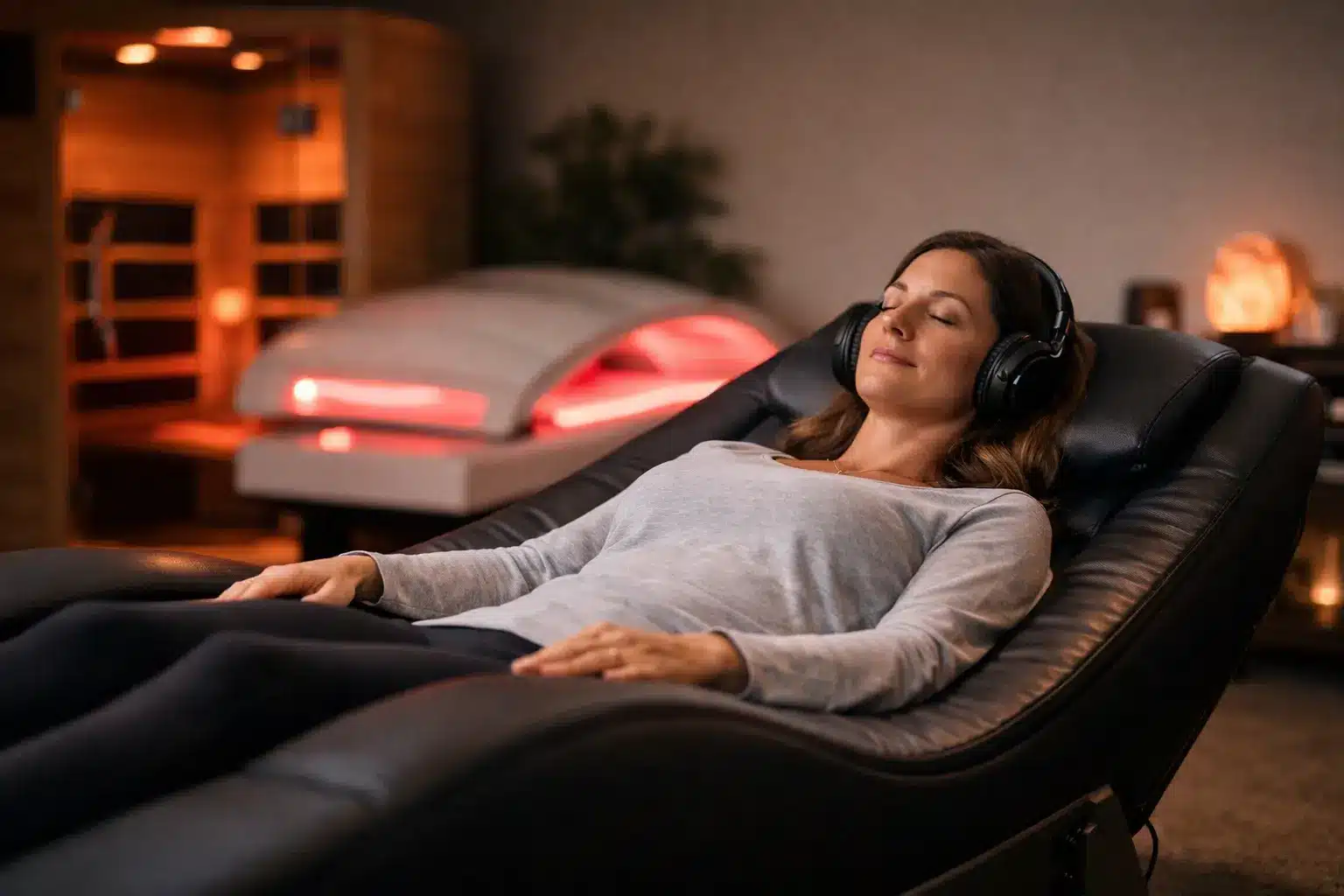
Does Vibroacoustic Therapy Help With Sleep?
Does vibroacoustic therapy help with sleep? Learn how sound and vibration may calm the nervous system, support rest, and fit a healthy routine gently.
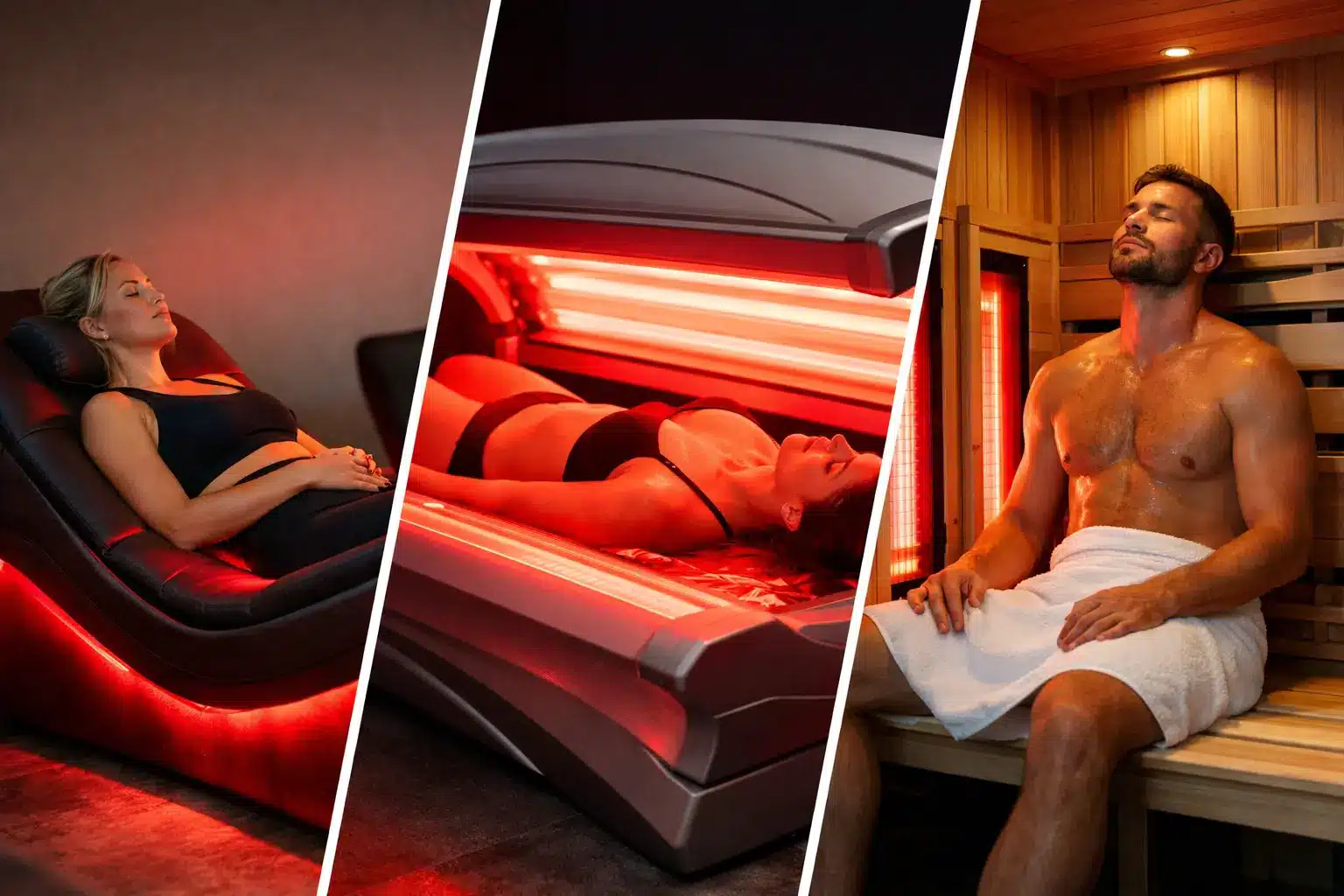
Your Practical Guide to Red Light Safety
Your practical guide to red light safety: learn who should pause, how to protect your eyes, choose a session length, and support your body’s natural rhythm.
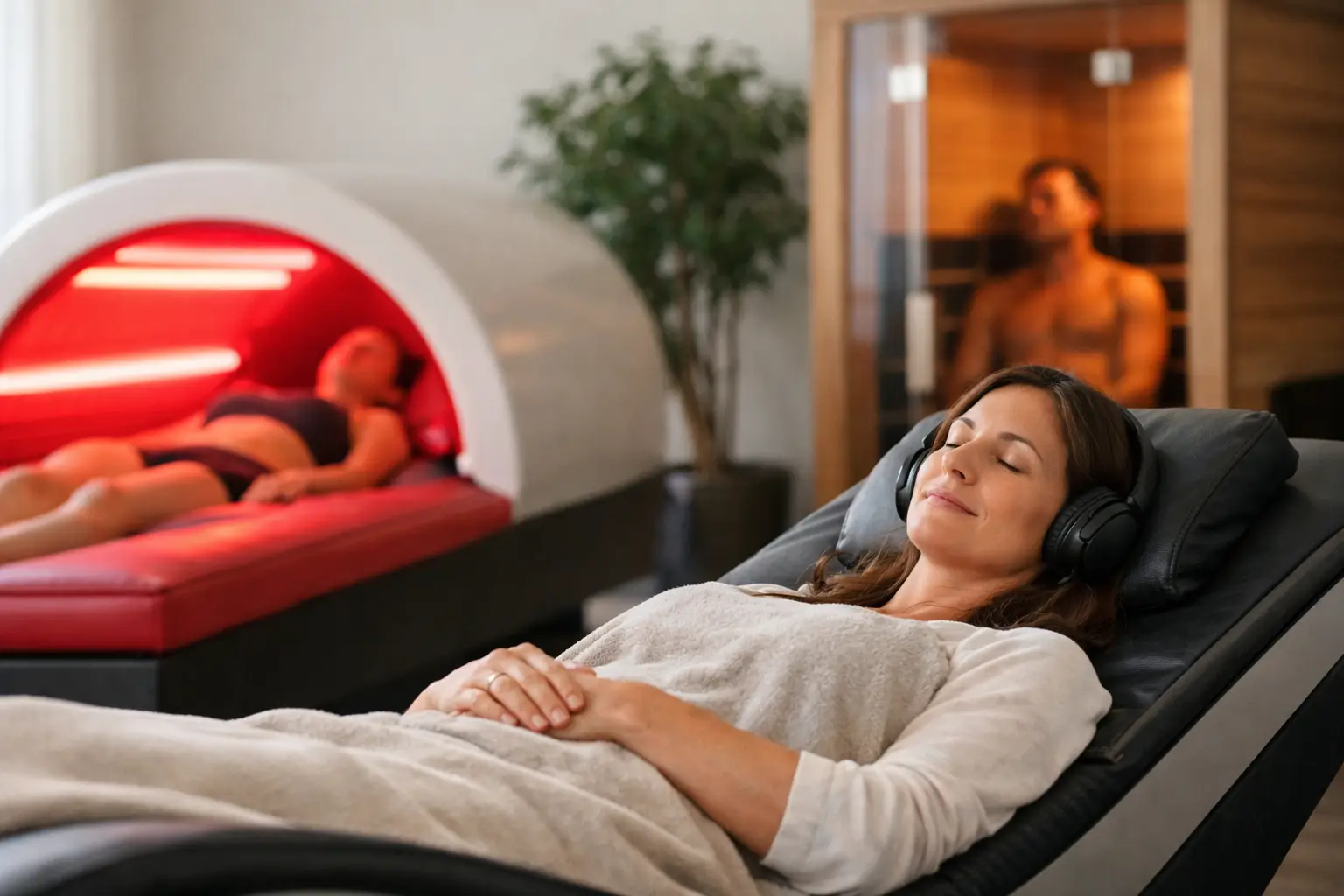
Root Cause Healing for Fatigue Starts Here
Root cause healing for fatigue looks beyond quick fixes, supporting sleep, stress recovery, and nervous system regulation so your energy can return again.
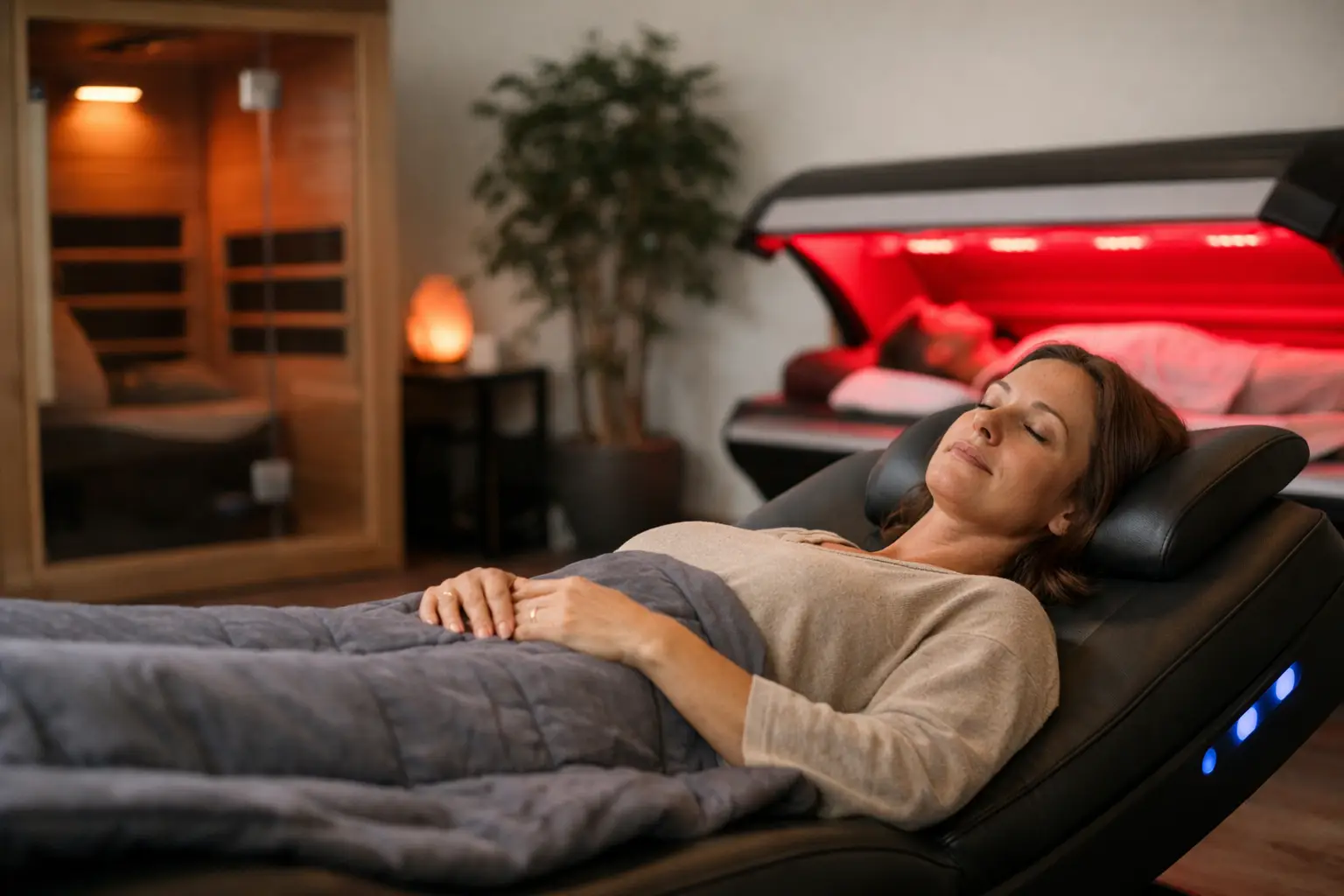
How to Support Grief in the Body With Care
Learn how to support grief in the body with gentle nervous system care, rest, movement, and vibroacoustic therapy to create space for healing at your pace.
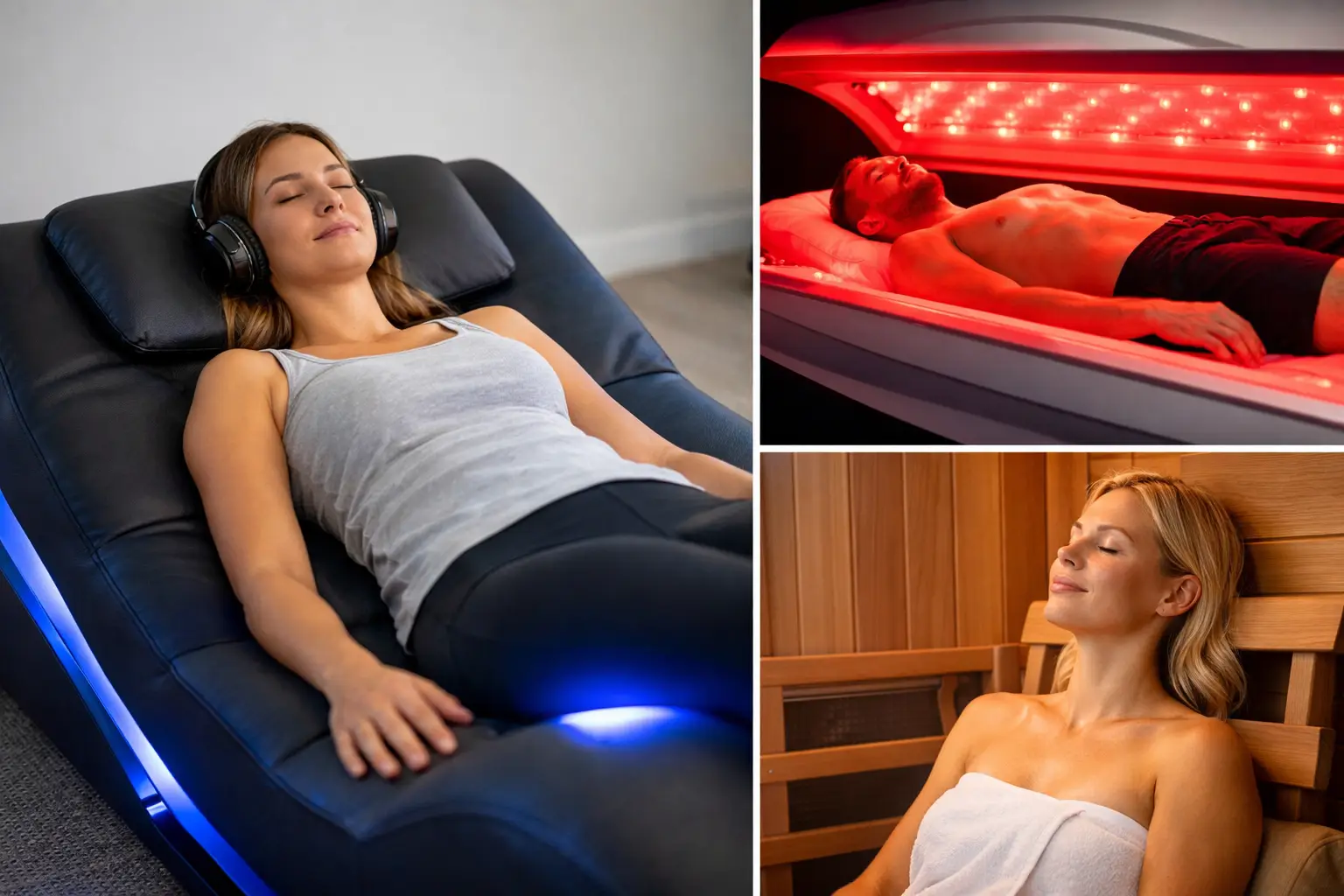
What a Full Body Reboot Therapy Experience Feels Like
Learn what a full body reboot therapy experience feels like, how sound, vibration, light, and heat support nervous system regulation and lasting calm daily.
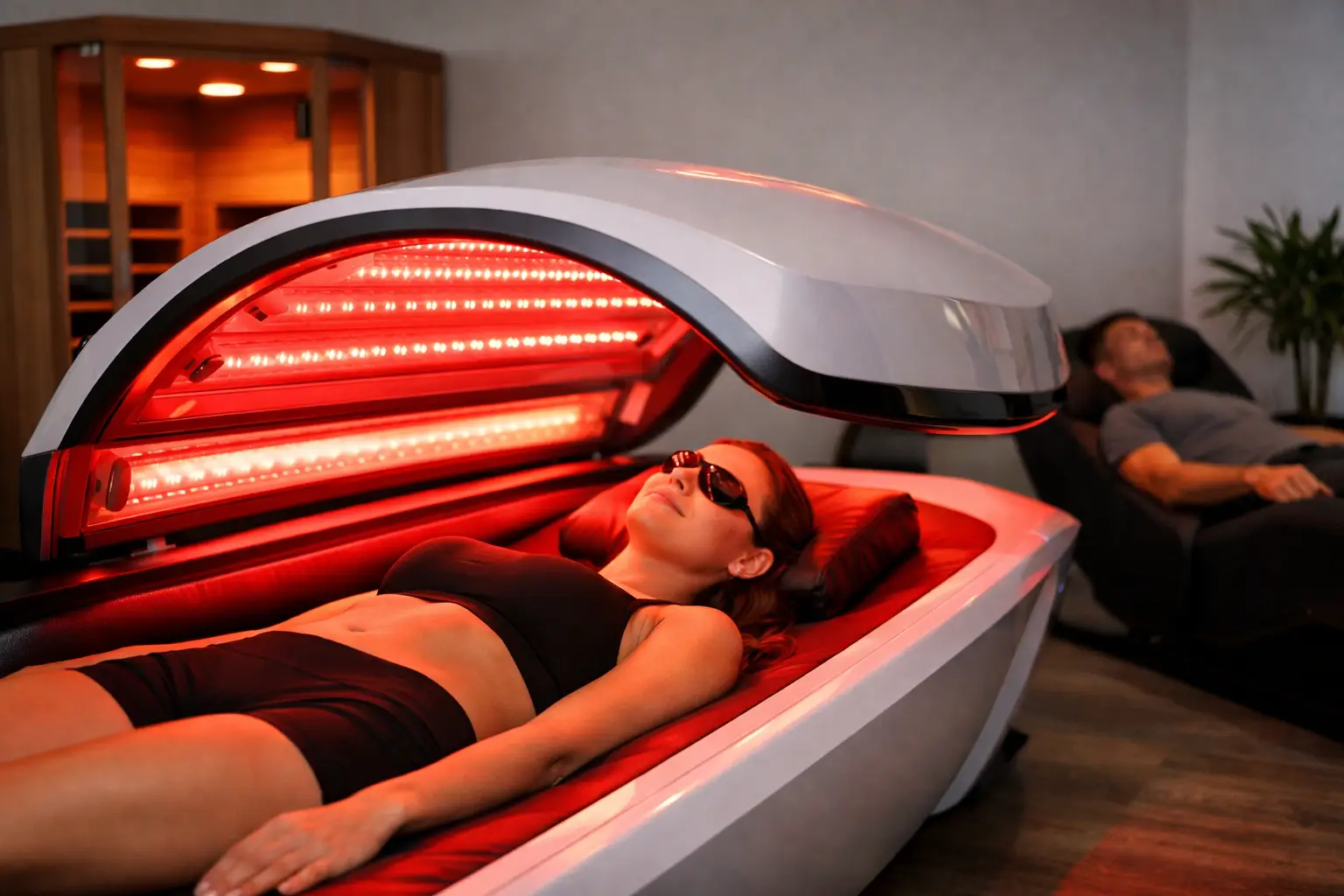
Your Guide to Red Light Therapy Benefits
A guide to red light therapy benefits for easing soreness, supporting skin health, and creating a restorative ritual that fits real life with intention.

Why Does Grief Feel Physical? Your Body’s Response
Why does grief feel physical? Learn how loss affects your nervous system, sleep, pain, and energy, plus gentle ways to support your body as you heal, too.
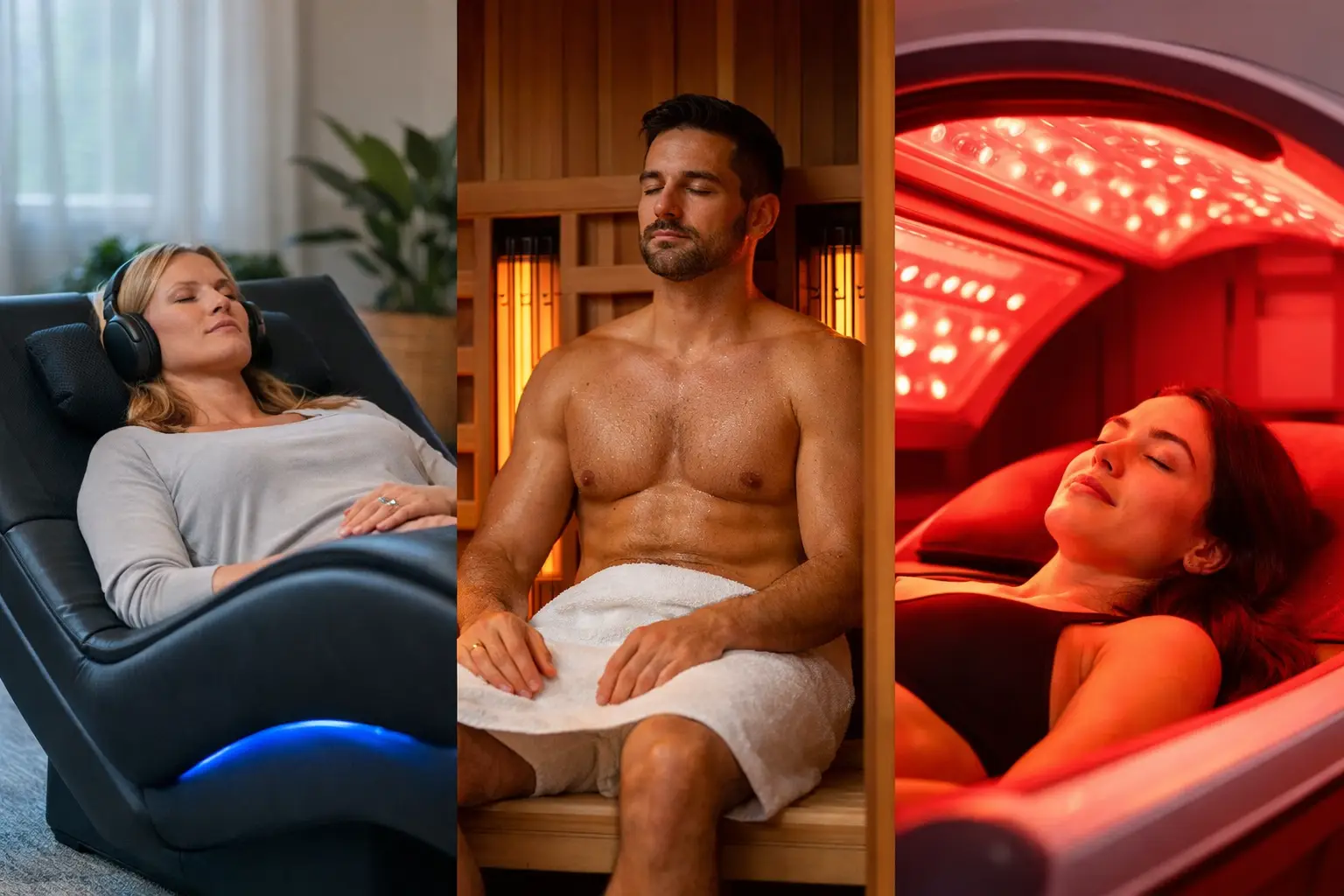
Best Therapies for Stress Resilience That Lasts
Explore the best therapies for stress resilience, from vibroacoustic therapy to infrared heat, and learn how to choose support that helps your body reset.
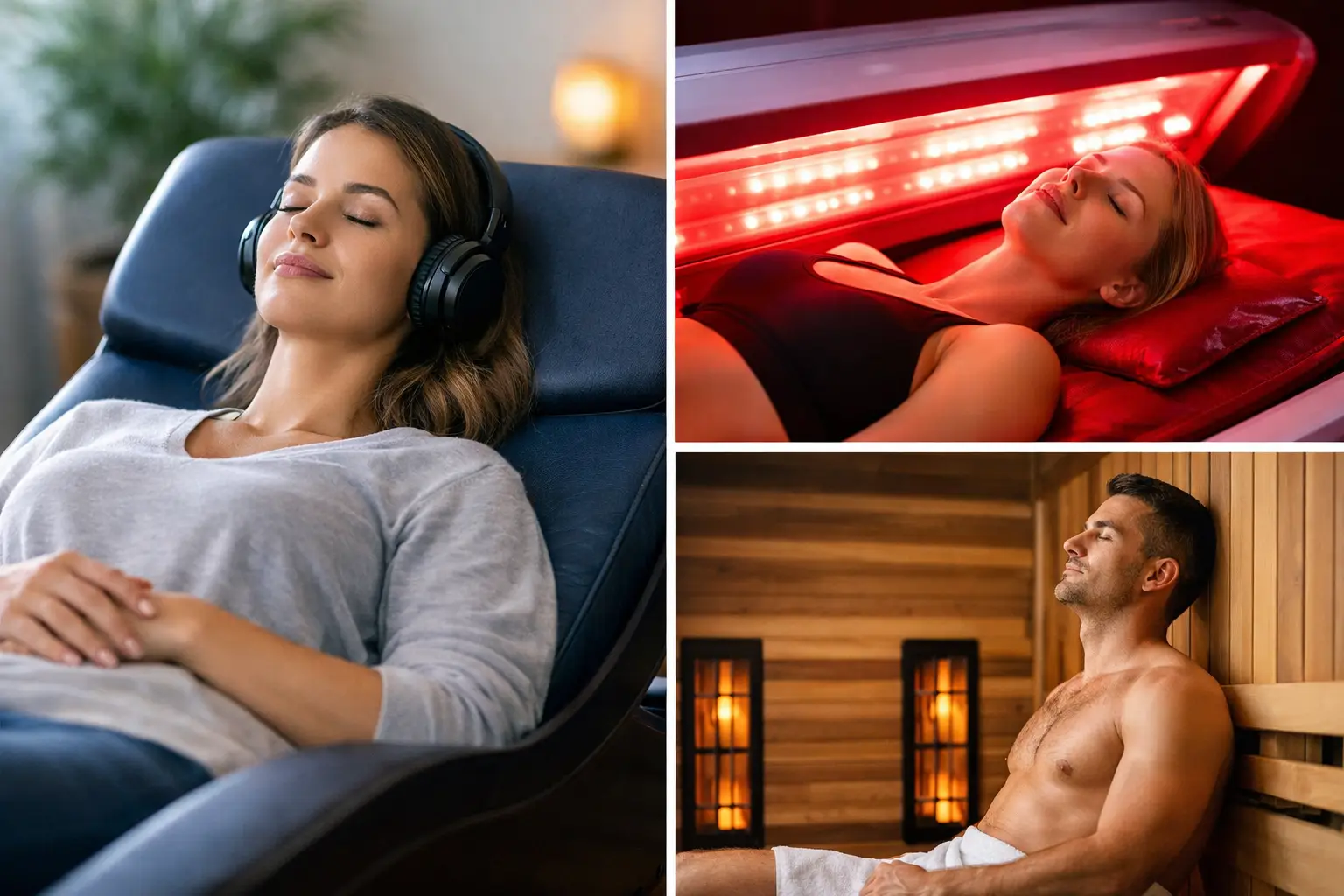
What Helps Regulate Chronic Stress Naturally?
Learn what helps regulate chronic stress naturally with nervous system-first practices that support sleep, energy, resilience, and a calmer body each day.