
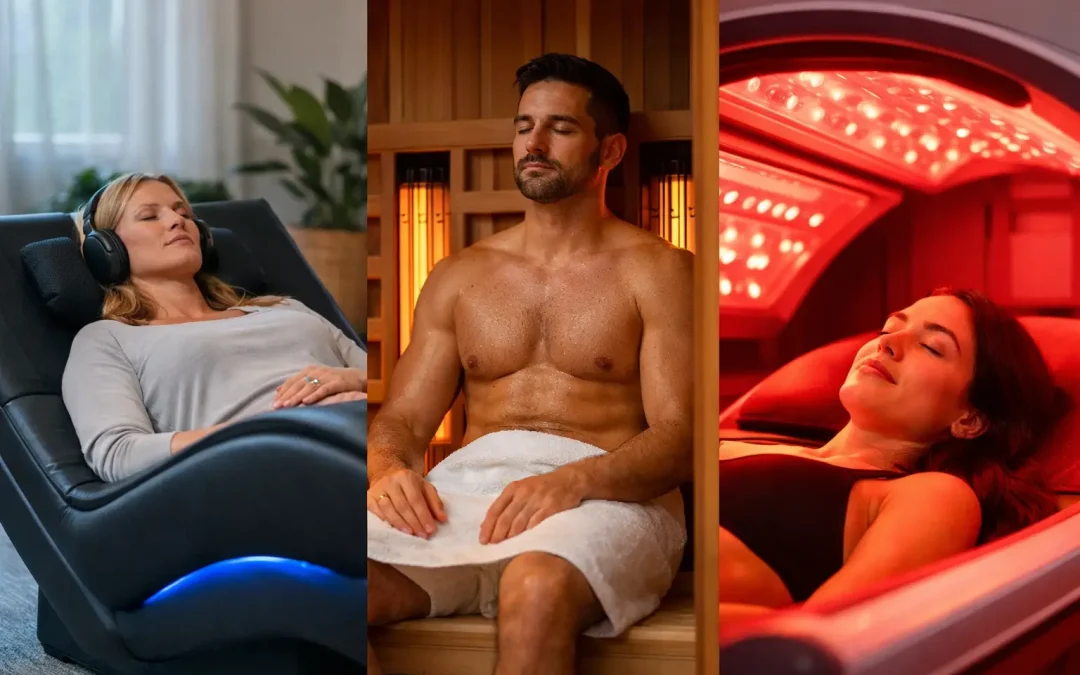
Stress resilience is not the ability to push through every hard season without feeling it. It is your body’s capacity to meet pressure, recover afterward, and return to a steadier baseline. The best therapies for stress resilience support that recovery at the nervous system level, where sleep, energy, pain, mood, and emotional bandwidth are often shaped long before we consciously recognize we are overwhelmed.
For many people, stress is not just a full calendar. It can look like waking at 3 a.m. with a racing mind, feeling emotionally flat after a difficult loss, living with tension or pain that will not release, or being so depleted that even restorative practices feel like another item on the list. Your body is not failing you in these moments. It may be doing its best to protect you with the resources it has.
The most meaningful support creates conditions in which your system can feel safe enough to shift out of constant vigilance. That is where nervous system-centered care can become a powerful part of your healing rhythm.
What Stress Resilience Really Means
A resilient nervous system is flexible. It can mobilize when life requires action, then settle when the moment has passed. Chronic stress can make that natural cycle harder to access. The body may stay braced, wired, exhausted, inflamed, disconnected, or unusually reactive even when there is no immediate threat.
This is why stress relief and stress resilience are not quite the same thing. A short break, a good workout, or an evening off may offer relief. Resilience is built when your body repeatedly practices returning to regulation. Over time, this can create more space between a trigger and your response, more restorative sleep, and a greater ability to remain present in your own life.
There is no single therapy that is right for every person. The best approach depends on your health history, current capacity, sensory preferences, goals, and what feels supportive rather than overwhelming. A person living with burnout may need gentle, low-effort restoration. Someone carrying chronic muscular tension may respond well to warmth and deep relaxation. For others, the most important first step is having a consistent place to pause and reconnect with themselves.
Best Therapies for Stress Resilience
The therapies below can work beautifully on their own, but they are often most effective when used with intention and consistency. Think of nervous system care less as a one-time fix and more as giving your body repeated experiences of safety, rest, and recalibration.
Vibroacoustic Therapy: Sound You Can Feel
Vibroacoustic therapy uses low-frequency sound vibrations delivered through a specially designed lounge or treatment surface, often paired with soothing music or sound. You do not simply hear the frequencies. You feel them move through the body.
This gentle sensory experience supports relaxation through entrainment, the process in which the body can begin to synchronize with a calming rhythmic input. When the nervous system has spent weeks, months, or years in high alert, steady vibration can offer a direct, body-based invitation to soften. Many people describe feeling grounded, deeply rested, emotionally lighter, or more connected to their body after a session.
Vibroacoustic therapy is especially compelling for people who find it difficult to meditate, sit still with racing thoughts, or talk themselves out of stress. It meets the body where it is. Rather than requiring you to perform relaxation, it creates an environment that helps relaxation become more accessible.
The research and clinical interest surrounding sound and vibration-based approaches continue to grow, particularly around relaxation, stress reduction, pain perception, and sleep support. It is not a replacement for medical or mental health care when that care is needed, but it can be a meaningful complementary practice for people seeking non-invasive nervous system support.
Infrared Sauna: Warmth for the Wired and Weary
Stress often lives in the body as tight shoulders, shallow breathing, restless sleep, and a sense that you can never fully exhale. Infrared sauna sessions use gentle radiant heat to warm the body, creating a quiet container for rest and release.
For some people, the experience of warmth helps signal safety and downshift the pace of the day. It can support muscle relaxation and a sense of physical ease, especially when stress and discomfort have become intertwined. The stillness matters too. In a culture that asks you to keep moving, a sauna session can become protected time to listen inwardly without needing to solve anything.
Heat is not appropriate for everyone. Hydration, medication use, pregnancy, cardiovascular concerns, and heat sensitivity should all be considered. A thoughtful wellness provider will help you choose a session length and intensity that honors your body rather than asking it to endure more.
Red Light Therapy: Gentle Support for Recovery
Red light therapy uses specific wavelengths of light that are commonly used to support cellular processes and recovery. While it is not a standalone cure for stress, it can be a helpful piece of a wider resilience plan, particularly for people whose stress is showing up alongside physical fatigue, sleep disruption, skin concerns, or persistent discomfort.
Its appeal is simple: it is non-invasive, quiet, and easy to receive. For a nervous system that is already overloaded, therapies that do not demand effort can be profoundly supportive. Red light therapy may fit well into a regular self-care rhythm because the cumulative experience of caring for your body matters as much as any single session.
Breathwork and Mindful Movement: Building Inner Access
Breathwork, gentle yoga, walking, and mindful movement can help you notice the early signs of stress before they become a full shutdown or spiral. These practices build awareness of breath, muscle tension, thoughts, and emotional cues. They can also give you practical ways to come back to the present during a difficult meeting, a long caregiving day, or a moment of grief.
That said, stillness is not always soothing for a dysregulated system. Some people feel more activated when asked to close their eyes, breathe deeply, or stay with intense sensations. If that is your experience, it does not mean you are doing it wrong. Start smaller. Keep your eyes open, choose movement over stillness, or pair a mindfulness practice with a body-based therapy that feels more supportive.
Talk Therapy and Trauma-Informed Support
Stress can have practical, relational, and emotional roots that deserve space and skilled care. Talk therapy can help you understand patterns, process grief, improve boundaries, and build tools for navigating anxiety or major life changes. Trauma-informed support can be especially valuable when your stress response feels disproportionate, persistent, or connected to past experiences.
The mind and body are not separate stories. Insight can help you name what is happening, while nervous system therapies can help your body experience a different state. For many people, combining reflective support with embodied care is more sustainable than relying on either one alone.
Why Combining Therapies Can Create Deeper Change
A stressed nervous system rarely responds to force. It responds to repetition, safety, and the right amount of support. An Immersion Reboot session at True You Collective combines vibroacoustic therapy, red light therapy, and infrared sauna in one full-body experience designed to help the system recalibrate through light, sound, vibration, and heat.
The value of a layered session is not that more is always better. It is that these modalities can support different pathways of restoration at the same time. The vibration may help your body settle, the heat may ease physical holding patterns, and the light may support recovery. Together, they create space to step out of constant doing and remember what it feels like to simply receive.
For someone in a season of deep burnout, an integrated session may feel more accessible than trying to assemble several wellness practices alone. For another person, a single modality used regularly may be exactly what their body needs. Your healing does not have to follow anyone else’s formula.
How to Choose the Right Support for Your Body
Start with the outcome you want to feel in daily life, not just the symptom you want gone. Maybe you want to sleep through the night, feel less reactive with your family, have more energy after work, or return to activities pain and fatigue have taken from you. A clear intention helps guide your choices.
Then pay attention to how your body responds. The right therapy should leave you feeling supported, even if emotions arise or you notice a release of tension. It should not feel like another demand to meet. Consistency also matters more than intensity. A regular rhythm of care gives your nervous system more opportunities to learn that it can settle.
If you have a medical condition, are managing significant mental health symptoms, or have questions about whether a therapy is suitable, speak with a qualified healthcare professional. Holistic therapies can be part of a thoughtful care plan, but they are not meant to replace needed medical evaluation or emergency support.
Your resilience is not measured by how much you can carry before you break. It grows each time you give your body a real opportunity to pause, recalibrate, and remember its own capacity for healing.