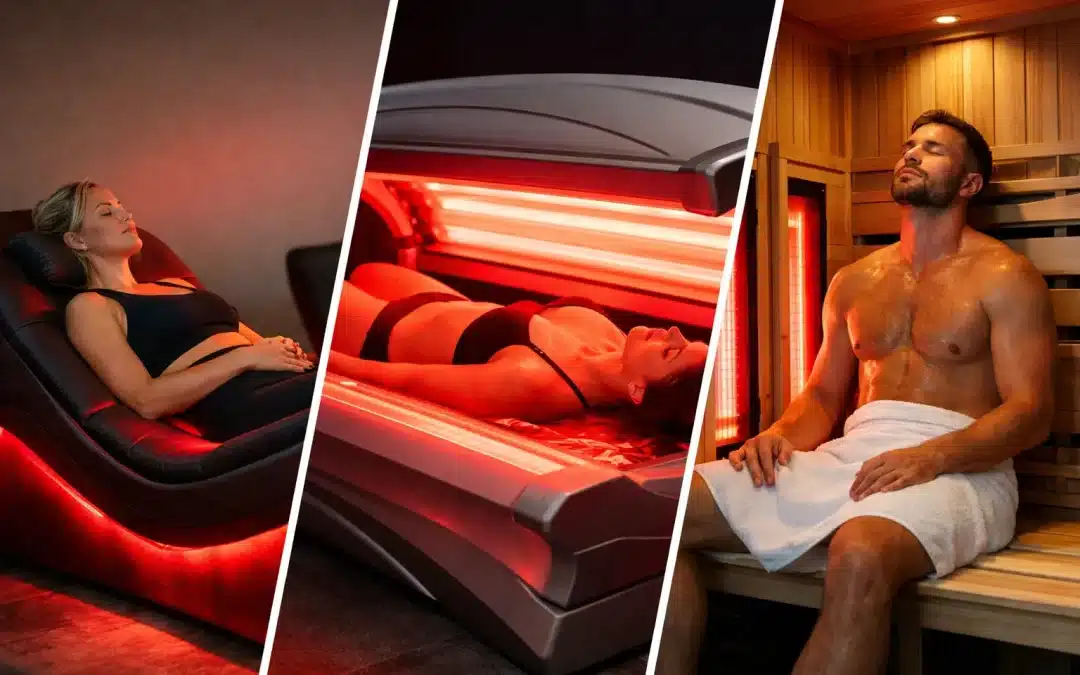
Red light therapy can feel wonderfully simple: lie down, let the warm glow surround you, and give your body a quiet moment to receive. But the best results begin with thoughtful use. This guide to red light safety is here to help you approach sessions with confidence, honor your body’s signals, and make space for restoration without pushing past your limits.
Red and near-infrared light are commonly used in wellness settings to support cellular energy, circulation, skin health, muscle recovery, and a sense of calm. For many people carrying stress, chronic tension, disrupted sleep, or the residue of burnout, that support can feel deeply grounding. Still, more light is not always better. A measured, consistent approach gives your nervous system room to recalibrate.
What Red Light Therapy Does, and What It Does Not Do
Red light therapy uses specific wavelengths of visible red and invisible near-infrared light. Unlike ultraviolet light, it does not tan the skin and is not designed to cause a sunburn. The light reaches tissue at different depths depending on the wavelength and device, where it may support normal cellular processes involved in energy production and recovery.
That does not mean it is a cure-all. Red light therapy is a supportive wellness modality, not a replacement for medical diagnosis, prescribed treatment, or urgent care. It can be one meaningful part of a root-cause-focused routine alongside rest, nourishing food, movement, emotional support, and the practices that help you feel at home in your body.
Safety also depends on the device, its intensity, the distance from the light, and your individual health history. A panel used at home may have very different instructions from a full-body bed or a practitioner-guided session. Follow the manufacturer’s guidance or the recommendations of your provider rather than copying someone else’s routine online.
Your Guide to Red Light Safety Before a Session
Start with an honest check-in. If your body feels depleted, that does not necessarily mean you need the longest session available. Healing is not a performance. Begin at a lower duration, notice your response over the next 24 to 48 hours, and build gradually when appropriate.
Before using red light, speak with a qualified healthcare professional if you have a medical condition that makes you sensitive to light, a history of skin cancer, an active unexplained skin condition, or a condition affecting your eyes. It is also wise to ask for guidance if you are pregnant or breastfeeding, managing a serious illness, or currently receiving treatment for cancer. Red light therapy may still be appropriate in some circumstances, but individualized advice matters.
Medications and topical products deserve attention, too. Some prescriptions can increase photosensitivity, meaning your skin or eyes may react more strongly to light. Certain antibiotics, acne medications, diuretics, anti-inflammatory medications, retinoids, and herbal products can be relevant, though this varies widely. Do not stop a prescribed medication on your own. Instead, ask your prescribing clinician or pharmacist whether your specific medication has light-sensitivity precautions.
If you use a topical product before a session, keep it simple unless your provider advises otherwise. Clean, dry skin is often the most practical starting point. Fragrances, essential oils, exfoliating acids, and active skin treatments can make it harder to tell what is causing irritation if your skin reacts.
Protecting Your Eyes Is Part of the Practice
The eye-safety guidance for red light devices varies. Some devices are designed for use with eyes closed at a defined distance, while others specifically require blackout goggles. Near-infrared light is invisible, which is another reason not to guess.
Use the eye protection and positioning instructions that come with your particular device or are provided by your wellness practitioner. Never stare directly into LEDs, even if the light feels comfortable. If you experience eye discomfort, headache, visual changes, unusual sensitivity to light, or lingering afterimages, stop the session and seek medical advice as needed.
For people with diagnosed eye conditions or a history of eye surgery, getting clearance from an eye-care professional is a thoughtful extra step. A few minutes of precaution can protect the very sense that helps you stay connected to the world around you.
Dose Matters More Than Intensity
A common misconception is that longer sessions create faster results. In reality, light therapy has a dose-response relationship. Too little may not feel meaningful, but too much can be overstimulating or leave some people feeling temporarily tired, warm, headachy, or mildly irritated in the skin.
A conservative beginning is often best, especially if you are sensitive, new to therapeutic light, or recovering from a season of nervous system overload. Use a shorter session at the recommended distance, then give your body time to respond. Depending on the device and your goals, that may mean starting with only a few minutes rather than immediately using the maximum session length.
Pay attention to patterns, not one isolated day. Are you sleeping more soundly? Do your muscles feel less guarded? Is your energy steadier, or do you feel wired and restless afterward? Your body’s feedback is useful information. If a session leaves you uncomfortable, reduce the duration or frequency, increase your distance if the device allows, or pause until you can consult a professional.
Simple Red Light Therapy Safety Habits
Consistency does not require intensity. A few grounded habits can help you create a safer, more restorative rhythm:
- Follow the instructions for your specific device, including distance, session time, and eye protection.
- Start low and slow, particularly if you are sensitive to light, heat, or new wellness therapies.
- Avoid using a damaged device, overheating equipment, or a setup with exposed cords or unstable placement.
- Keep the skin area comfortable. Stop if you notice pain, persistent redness, burning, itching, or a rash.
- Track how you feel after sessions, including changes in sleep, mood, energy, and skin response.
Red light therapy should feel supportive, not like something to endure. A little warmth can be normal with certain devices, but significant heat is a sign to reposition, shorten the session, or stop. Unlike an infrared sauna, red light sessions are not meant to be a test of heat tolerance.
When to Pause and Ask for Support
Pause your routine if you develop a new rash, hives, swelling, blistering, significant redness, dizziness, nausea, or worsening symptoms. These responses may not always be caused by the light itself, but they are worth taking seriously. Let your body settle, review anything new in your routine, and consult the appropriate healthcare professional.
If you are navigating chronic illness, pain, grief, anxiety, or long-term exhaustion, it can be tempting to look for one intervention to carry the whole load. Red light therapy may offer a gentle layer of support, yet deeper healing is often built through repetition, relationship, and regulation. Your system may respond best when light is paired with practices that invite safety: slower breathing, nourishing hydration, rest, gentle movement, and moments without demands.
At True You Collective, this perspective guides the way we hold wellness technology. Red light can be a beautiful complement to nervous system care, especially when it is used with intention rather than urgency. The goal is not to override your body. It is to create conditions where your body can remember how to heal.
Let Safety Make the Experience More Restorative
The most powerful red light routine is rarely the most extreme one. It is the one you can return to with steadiness, awareness, and respect for your own changing needs. Begin gently, use the right safeguards, and let your response lead the way. Even when life is still life, small moments of supported calm can help you reconnect with the version of yourself that feels clear, present, and whole.