
A tired body does not always mean a settled nervous system. You can feel exhausted all day, climb into bed ready to disappear, and still find your mind replaying conversations, your muscles braced, or your heart unwilling to soften. That disconnect is why many people ask: does vibroacoustic therapy help with sleep? For some people, it can be a meaningful way to shift out of high alert and into the calmer physiological state that makes restorative sleep more available.
Vibroacoustic therapy is not a sedative, and it is not a promise that one session will erase insomnia. It is a body-based practice that uses low-frequency sound and gentle vibration to help the nervous system settle. When the body receives consistent, soothing sensory input, it may have an easier time moving from survival mode toward rest, repair, and regulation.
How vibroacoustic therapy can support sleep
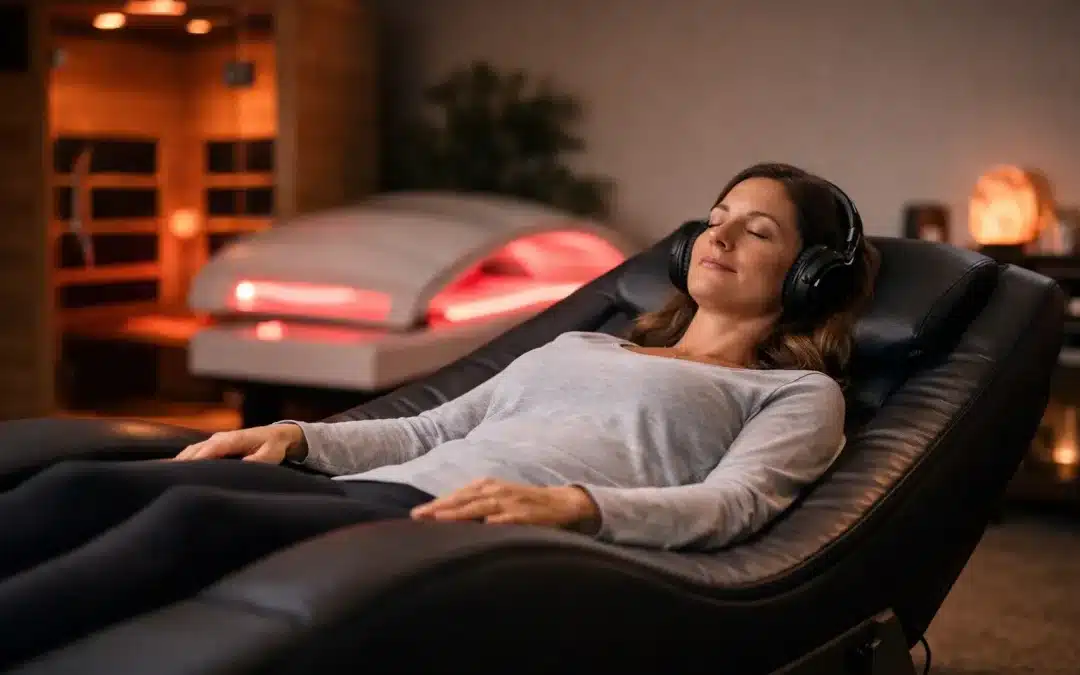
During a vibroacoustic therapy session, you rest on a specialized sound lounge or table that transmits carefully selected low-frequency vibrations through the body. You hear the sound, but you also feel it. The vibration travels through areas that often hold tension, such as the back, hips, legs, and shoulders, creating an experience that is less about thinking your way into calm and more about letting your body receive it.
This matters because sleep is not only a nighttime habit. It is also a nervous system state. When your system has spent the day scanning for demands, deadlines, conflict, pain, or uncertainty, it may continue carrying that activation into the evening. You may be physically still while your body remains internally prepared to respond.
Vibroacoustic therapy may support sleep by encouraging a downshift in that activation. The rhythmic, predictable sensation can give the brain and body a signal of safety. As the body softens, breathing may become slower and deeper, muscular guarding may ease, and the mind may have less fuel for the loops that keep sleep just out of reach.
The process is often described as entrainment. In simple terms, the nervous system can begin to synchronize with a steady external rhythm. This does not mean that vibration forces the body to do anything. It means the body is offered a consistent, nonverbal cue that may make regulation easier to access.
Does vibroacoustic therapy help with sleep for everyone?
The honest answer is: it depends. Sleep disruption has many roots. Stress, chronic pain, grief, hormonal changes, a demanding work schedule, medications, sleep apnea, depression, anxiety, and inconsistent routines can all affect how well you sleep. Vibroacoustic therapy is best understood as supportive care for nervous system regulation, not a replacement for medical evaluation when a sleep concern is persistent or severe.
The research around vibroacoustic therapy is promising but still developing, especially when it comes to sleep as a primary outcome. Studies and clinical observations have explored its potential to support relaxation, pain relief, mood, and stress reduction. Those outcomes matter because pain and stress are common reasons people struggle to fall asleep or stay asleep. Still, protocols vary, sample sizes can be small, and people respond differently.
That nuance is part of a grounded healing approach. You do not need to believe that one tool is the answer to everything for it to be valuable. If your sleeplessness is connected to an overactivated nervous system, physical tension, emotional overwhelm, or a body that has forgotten how to come down from the day, vibroacoustic therapy may help create a more supportive foundation for rest.
Why feeling vibration may be different from listening to sound
A calming playlist can be helpful, especially as part of a bedtime ritual. Vibroacoustic therapy adds a tactile layer. Instead of sound remaining outside of you, low frequencies are felt through the body. For people who feel disconnected from their bodies, mentally overextended, or too restless for still meditation, that physical sensation can be easier to receive.
Many clients describe the experience as a full-body exhale. Others notice that their thoughts become less urgent, their jaw unclenches, or they feel a heaviness that is comforting rather than draining. Some people drift into a nap during a session. That does not necessarily mean they will sleep perfectly that night, but it can be a sign that their system is capable of accessing a deeper state of rest when it feels supported.
The effect may be especially relevant for people whose sleep is disrupted by chronic tension or discomfort. Pain can keep the nervous system on guard, while poor sleep can heighten pain sensitivity the next day. Supporting relaxation does not solve every layer of that cycle, but it may give the body a break from constantly holding itself together.
What a sleep-supportive session might feel like
There is no need to perform relaxation during vibroacoustic therapy. You do not have to clear your mind, process every emotion, or arrive in a peaceful state. You simply lie down and allow the sound and vibration to meet you where you are.
At first, some people notice their busy thoughts more clearly. This is normal. When external stimulation quiets down, the mind can briefly become louder. With continued sessions, many people find that the vibration gives their attention somewhere gentle to land. Their system begins to recognize the environment as a place where it does not need to stay on watch.
Repetition matters. A single session can feel deeply restorative, particularly after an intense week. Yet nervous system patterns are often built over months or years. Consistent care gives the body more opportunities to practice settling. That is one reason an ongoing rhythm of support can be more powerful than waiting until burnout, pain, or sleeplessness reaches a breaking point.
How to use vibroacoustic therapy as part of better sleep care
The best results usually come when vibroacoustic therapy supports, rather than competes with, the rest of your sleep routine. Consider scheduling a session in the late afternoon or evening if that timing leaves you feeling calm and grounded. Some people prefer earlier sessions because deep relaxation can make them feel temporarily sleepy or emotionally tender.
Afterward, protect the state you created. Keep the evening simple. Dim lights, eat a nourishing meal, limit work messages, and give yourself a little space between the session and bed. If you can, avoid treating relaxation as another task to optimize. The goal is not a perfect routine. The goal is to give your body repeated evidence that it is safe to soften.
A few practices can help carry the effects into the night:
- Choose a consistent wind-down time, even if your bedtime varies.
- Keep your bedroom cool, dark, and as quiet as possible.
- Let screens and stressful conversations end before you get into bed when you can.
- Notice whether caffeine, alcohol, late meals, or intense exercise affect your sleep.
- Use slow breathing, gentle stretching, or a warm shower as a bridge into rest.
These are not rigid rules. They are invitations to work with your nervous system instead of asking it to switch off on command.
When to seek additional support
If you regularly wake gasping, snore loudly, experience severe daytime sleepiness, have persistent insomnia, or notice major changes in mood, it is wise to speak with a qualified healthcare professional. Sleep concerns can sometimes point to conditions that need specific assessment and treatment.
It is also worth sharing relevant health information before a vibroacoustic session, particularly if you have a medical condition, are pregnant, have an implanted medical device, or are navigating a recent injury. A thoughtful practitioner can help determine whether the experience is appropriate for you and how to make it feel comfortable.
At True You Collective, vibroacoustic therapy is part of a nervous system-first approach to restoration. It can be used on its own or alongside supportive practices that help you reconnect with the part of you that already knows how to rest.
Sleep is not something you can force. But you can create conditions that make it easier for your body to remember. Gentle vibration, intentional sound, and a moment of true stillness may be one place to begin.