
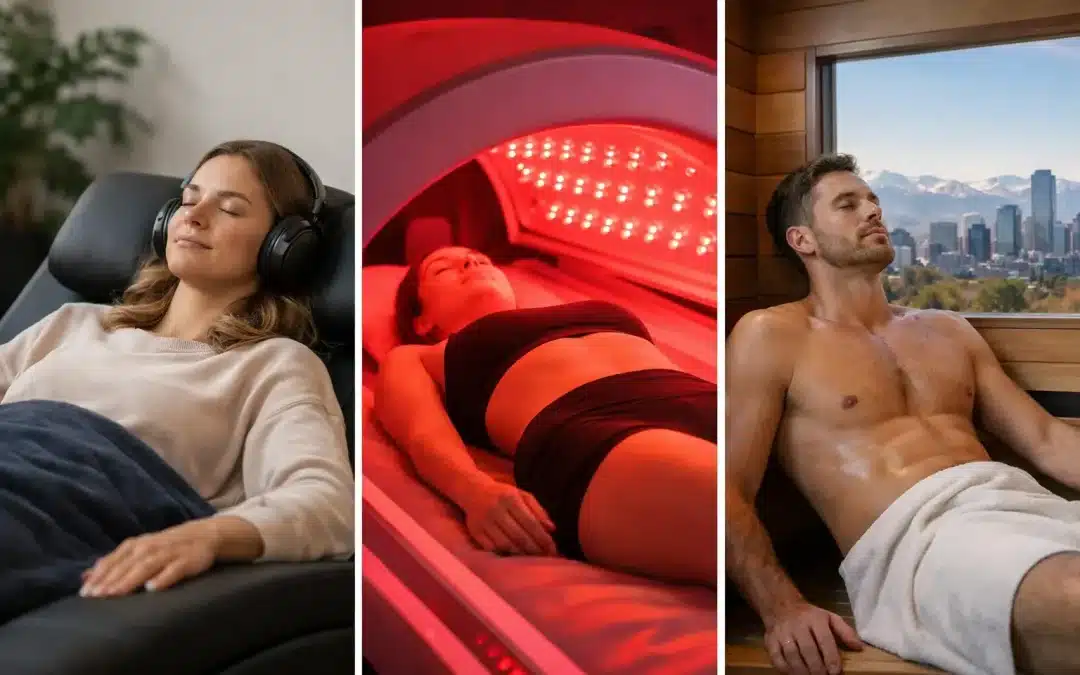
A quiet hour can feel surprisingly radical when your nervous system has been living on high alert. For many people, Denver wellness experiences begin as a search for relief from tight shoulders, restless sleep, emotional exhaustion, or the sense that even a day off does not quite restore them. The more meaningful experiences create space for the body to shift out of constant protection and back toward regulation.
That shift matters because stress is not only a thought. It is a full-body pattern. It can show up as pain that feels louder after a hard week, a mind that will not settle at night, a short fuse, fatigue that coffee cannot touch, or a feeling of being disconnected from yourself. Wellness can be supportive in many forms, but nervous system-focused care offers a powerful place to begin: with the system that influences how you rest, respond, recover, and reconnect.
What Makes Denver Wellness Experiences Restorative?
A restorative experience is not necessarily the one with the most treatments, the strongest sensation, or the most dramatic promise. It is one that meets your body where it is. For someone carrying burnout, grief, chronic stress, or ongoing discomfort, more stimulation is not always better. The right environment often feels safe, unhurried, and intentionally designed to help you soften rather than push harder.
This is why passive, non-invasive modalities can be so meaningful. You do not have to perform wellness correctly. You can lie down, breathe normally, and allow supportive inputs such as sound, vibration, warmth, and light to give your system a different experience than the urgency it has learned to expect.
The goal is not to erase life’s challenges. Life will still be life. The goal is to build more capacity within your body to move through those challenges with steadiness, clarity, and access to your own inner healing abilities.
Start With Regulation, Not Another To-Do List
A common instinct is to approach wellness as another project: optimize sleep, follow a strict routine, add more supplements, force a meditation practice, and become frustrated when the results do not last. Those practices can be valuable, but when the nervous system is overwhelmed, even helpful habits may feel like one more demand.
Regulation offers a gentler entry point. It asks, “What would help my body feel safe enough to rest, digest, restore, and respond?” The answer will differ from person to person. Some people need stillness. Others respond deeply to rhythmic sound and vibration. Some find that therapeutic warmth helps their body release the physical holding that has become familiar.
There is no single path to healing. What matters is finding supportive care that feels accessible, repeatable, and aligned with what your body is communicating.
Vibroacoustic Therapy: Sound You Can Feel
Among Denver wellness experiences, vibroacoustic therapy stands apart because it engages more than the ears. During a session, low-frequency sound vibrations travel through a specialized therapeutic bed or chair while carefully selected music or tones are played. You hear the sound, but you also feel it move through the body.
This experience is rooted in the way the nervous system responds to rhythm, frequency, and sensory input. The gentle vibrations can invite the body toward a calmer state through entrainment, a process in which internal rhythms may begin to synchronize with an external, steady rhythm. Think of how your breath can naturally slow when you listen to a calm, even cadence. Vibroacoustic therapy expands that experience into the body itself.
For people who struggle to quiet their minds through stillness alone, this can feel especially supportive. Rather than asking the brain to stop thinking, the session gives the body a soothing sensation to orient around. Many people describe feeling grounded, deeply relaxed, emotionally lighter, or more connected to their body after a session.
Vibroacoustic therapy is not a replacement for medical care, mental health care, or individualized treatment for a diagnosed condition. It is a science-backed, non-invasive wellness modality that can complement a broader care plan. Its value often lives in repetition. One session may offer a welcome exhale, while consistent sessions can become a practice of teaching the body what regulation feels like again.
Why Repetition Changes the Experience
A dysregulated nervous system rarely developed overnight. It may have been shaped by years of high-pressure work, caregiving, chronic pain, disrupted sleep, loss, or simply too little room to recover between demands. That is why a single wellness appointment, while valuable, may not create lasting change on its own.
Repeated supportive experiences provide familiar signals of safety. Over time, the body may become more able to recognize calm without needing to be convinced or forced into it. This is not about perfection. Some sessions will feel deeply settling; others may bring awareness to emotions or tension you had not noticed. Both can be part of reconnecting.
At True You Collective, vibroacoustic therapy is approached as part of an integrated nervous system-first practice, not as a one-time novelty. The intention is to support your capacity for restoration in a way that is both technologically informed and deeply human.
Light and Heat as Full-Body Support
Sound and vibration are powerful tools, but they are not the only ways to support a depleted system. Red light therapy and infrared sauna sessions offer different forms of sensory nourishment, especially for people whose stress is felt physically.
Red light therapy uses specific wavelengths of light intended to support cellular energy and recovery. Sessions are quiet and simple, making them a gentle option for those who need restoration without adding another demanding activity to their day. People often include it in routines centered on skin support, muscle recovery, inflammation management, and overall wellness.
Infrared sauna uses radiant heat to warm the body in a way many people experience as deeply comforting. The warmth may help ease muscular tightness, encourage circulation, and create a cocoon-like pause from the pace of the outside world. It can be especially appealing when your body feels heavy, cold, or braced against stress.
There are trade-offs to consider. Heat is not ideal for everyone, particularly if you are sensitive to high temperatures, have certain health conditions, or are not well-hydrated. Light-based therapies and vibroacoustic sessions also have individual considerations. Listening to your body and sharing relevant health information with a qualified provider helps you choose care thoughtfully.
Choosing an Experience That Matches Your Season
The best wellness choice is often less about what is trending and more about what you need right now. If your mind races and sitting quietly feels impossible, a vibroacoustic session may offer a more embodied doorway into calm. If your body feels sore and overextended, infrared warmth may feel like the support you have been craving. If you want a quiet recovery ritual that fits into a full schedule, red light therapy may be a natural fit.
For deeper support, a multi-modality experience can create a more complete reset. Combining light, sound, vibration, and heat allows the body to receive care through several pathways at once. An Immersion Reboot session, for example, is designed as a full-body Nervous System Reboot™ experience for those who do not simply want to check self-care off a list, but want time and space to truly recalibrate.
It also helps to consider whether you are seeking an occasional reset or ongoing care. A single session can be a meaningful introduction. A membership or package can make more sense when stress, sleep disruption, pain, or emotional overwhelm have become persistent patterns. Consistency is not a rule you have to get right. It is an invitation to give your body regular opportunities to remember a calmer baseline.
Make the Benefits Last Beyond the Session
The hour after a wellness session can be as important as the session itself. If possible, avoid rushing immediately into errands, difficult conversations, or a screen-heavy workload. Drink water, eat something nourishing if needed, and notice what has shifted without trying to analyze it too quickly.
You may feel sleepy, spacious, energized, or simply quieter inside. Gentle movement, time outdoors, a warm shower, or an earlier bedtime can help you honor that state. If emotion comes up, meet it with curiosity. Regulation is not numbness. It is having enough steadiness to feel what is present without being completely overtaken by it.
The most powerful Denver wellness experiences do not ask you to become someone new. They offer a supported pause where you can hear yourself beneath the noise, reconnect with the intelligence of your body, and remember that healing can begin with one regulated breath at a time.