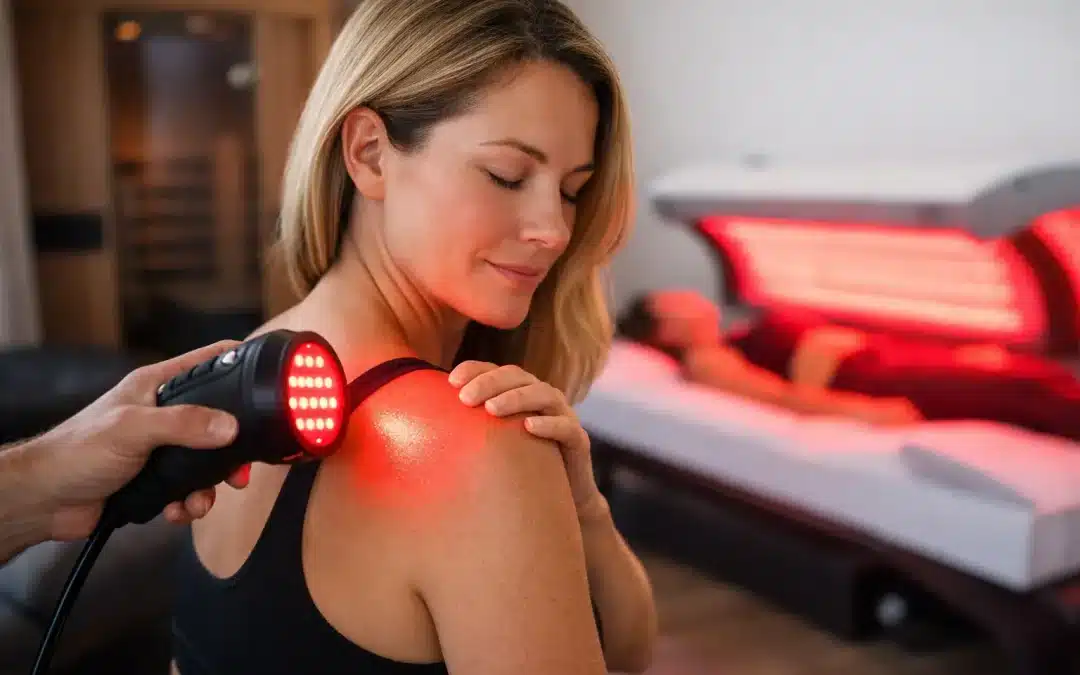
A stiff knee after a long hike. A shoulder that never quite settles after a demanding workweek. The low, persistent ache that seems to get louder when sleep is short and stress is high. When the body is carrying inflammation, it is natural to look for support that feels gentle, non-invasive, and restorative. So, can red light reduce inflammation? Research on red light therapy, also called photobiomodulation, suggests it may help regulate inflammatory processes and support tissue recovery for some people.
That answer deserves both hope and honesty. Red light therapy is not a cure-all, and inflammation is not one single condition with one single cause. But when used consistently and appropriately, it can be a meaningful part of a whole-body approach to pain, recovery, and nervous system regulation.
Can Red Light Reduce Inflammation?
Red light therapy uses specific wavelengths of red and near-infrared light to deliver energy to the body without damaging the skin. Unlike ultraviolet light, which can harm skin cells, red and near-infrared wavelengths are used in photobiomodulation to support cellular function.
At the cellular level, light is absorbed by structures involved in energy production, particularly within the mitochondria. Mitochondria are often called the powerhouses of the cell because they help create the energy cells need to repair, communicate, and do their work. When cells have greater access to usable energy, the body may be better equipped to support its natural recovery processes.
Research suggests photobiomodulation may influence inflammatory signaling, circulation, oxidative stress, and tissue repair. In practical terms, people often seek it for sore muscles, joint discomfort, exercise recovery, chronic pain patterns, and skin concerns. Some studies have found reductions in pain and inflammatory markers in specific contexts, though outcomes vary based on the condition being treated, the device, wavelength, dose, and treatment schedule.
This is why red light is best understood as supportive care, not a replacement for medical evaluation. Significant swelling, sudden severe pain, fever, unexplained symptoms, autoimmune flares, or an injury that will not improve deserve guidance from a qualified medical professional.
Inflammation Is Not Always the Enemy
Inflammation is part of the body’s intelligent protective response. After an injury or infection, the immune system sends resources to the area to begin repair. That short-term, acute inflammation can be necessary.
The challenge comes when the inflammatory response stays switched on longer than it needs to. Chronic stress, poor sleep, repetitive strain, unresolved injury, certain health conditions, and a system that rarely gets a true moment of safety can all contribute to persistent inflammation. The body may begin to feel heavy, tender, tired, foggy, or on edge.
This is where a nervous system-first lens matters. Your nervous system is constantly reading the environment for cues of safety or threat. When life is demanding, the body may remain in a stress response even after the urgent moment has passed. That does not mean inflammation is “all in your head.” It means the body is one connected system. Stress physiology, sleep, immune activity, pain sensitivity, and recovery capacity influence one another.
Red light therapy may offer a supportive signal to the body: a chance to slow down, receive energy, and create conditions more favorable for repair. It does not force healing. It supports the environment in which healing can occur.
How Red Light May Support a Calmer Body
The benefits people notice are often broader than a single painful area. A red light session is quiet, warm, and still. For someone accustomed to pushing through exhaustion, that experience alone can be a meaningful interruption to the pace of stress.
Physiologically, red and near-infrared light may support local blood flow and cellular energy production. Those effects may help the body manage post-workout soreness or discomfort tied to overuse and repetitive strain. Some people also find that regular sessions help them feel less stiff and more comfortable in their movement.
There is an important distinction here: feeling better after a session does not always mean the underlying issue is resolved. Relief can be valuable, but lasting change usually asks for more. It may include rest, nourishing food, strength and mobility work, medical care when needed, emotional support, and practices that help the nervous system come out of constant overdrive.
For many people, red light becomes more effective when it is not treated like a one-time rescue tool. Repetition gives the body a chance to respond over time. Think of it less like flipping a switch and more like offering consistent support to a system that has been carrying a lot.
What Determines Whether Red Light Therapy Works?
Not all red light therapy is the same. The therapeutic effect depends on the quality and specifications of the device, including its wavelengths, power output, treatment distance, and session length. More is not automatically better. Light follows a dose-response pattern, meaning too little may not create a noticeable effect, while too much may not offer additional benefit and could be irritating for some people.
The concern itself matters, too. Surface-level skin concerns and deeper muscle or joint discomfort may call for different wavelengths and protocols. Near-infrared light reaches deeper than visible red light, which is why many professional systems combine both.
Your individual biology also matters. Someone recovering from a new training routine may notice a shift quickly. Someone living with long-standing pain, disrupted sleep, high stress, or a complex health history may need more time and a more integrated plan. Neither experience means the body is failing. It simply reflects that healing is personal.
A Grounded Way to Use Red Light for Inflammation
If you are considering red light therapy, begin with curiosity rather than pressure. Notice what changes over several sessions: your pain level, stiffness, sleep quality, mood, energy, and ability to return to activities that matter to you. Small shifts count. A more relaxed jaw, easier movement getting out of bed, or a deeper exhale can be signs that your system is receiving support.
Consistency is usually more useful than intensity. Follow the protocol provided by a trained practitioner or a reputable device manufacturer, and give your body time to respond. For localized discomfort, sessions may be directed toward the affected area. For people experiencing whole-body stress and fatigue, a broader restorative approach may feel more aligned.
Red light therapy is generally well tolerated, but it is still wise to use care. Speak with your healthcare provider before beginning if you have a condition affected by light exposure, use photosensitizing medications, are receiving active cancer treatment, are pregnant, or have concerns about your eyes or skin. Protective eyewear should be used according to the device’s instructions.
Why Pairing Light With Nervous System Support Can Matter
The body does not recover in isolated compartments. Pain can disrupt sleep. Poor sleep can raise pain sensitivity. Stress can tighten the body and make it harder to access rest. This is why modalities that invite the whole system toward regulation can be so powerful.
At True You Collective, red light therapy can be part of a deeper restoration practice that includes sound, vibration, heat, and intentional rest. Vibroacoustic therapy, in particular, uses low-frequency sound and vibration to help the body experience entrainment – a process that can support a shift from activation toward a calmer, more regulated state. It is not about overriding your symptoms or promising a perfect life. It is about giving your body more opportunities to remember safety, settle, and access its own healing abilities.
For someone carrying burnout, grief, chronic tension, or emotional overwhelm, this integrated care can feel less like another task and more like a return. Science meets soul when advanced tools are held within a space that respects the intelligence of the body.
The Real Goal Is More Capacity, Not Just Less Pain
Reducing inflammation matters because pain and discomfort can shrink a person’s world. They can make movement feel risky, sleep feel impossible, and simple joys feel out of reach. Red light therapy may help reduce inflammation-related discomfort for some people, especially when it is part of consistent, whole-person care.
But the deeper goal is not merely to silence a symptom. It is to help you build capacity: capacity to rest, move, feel, connect, and participate in your own life again. Your body has been communicating, not betraying you. With the right support, patience, and conditions for repair, it may begin to remind you what calm and possibility feel like.