Why Can’t I Fall Asleep? Top Ways to Improve Sleep You Didn’t Know About
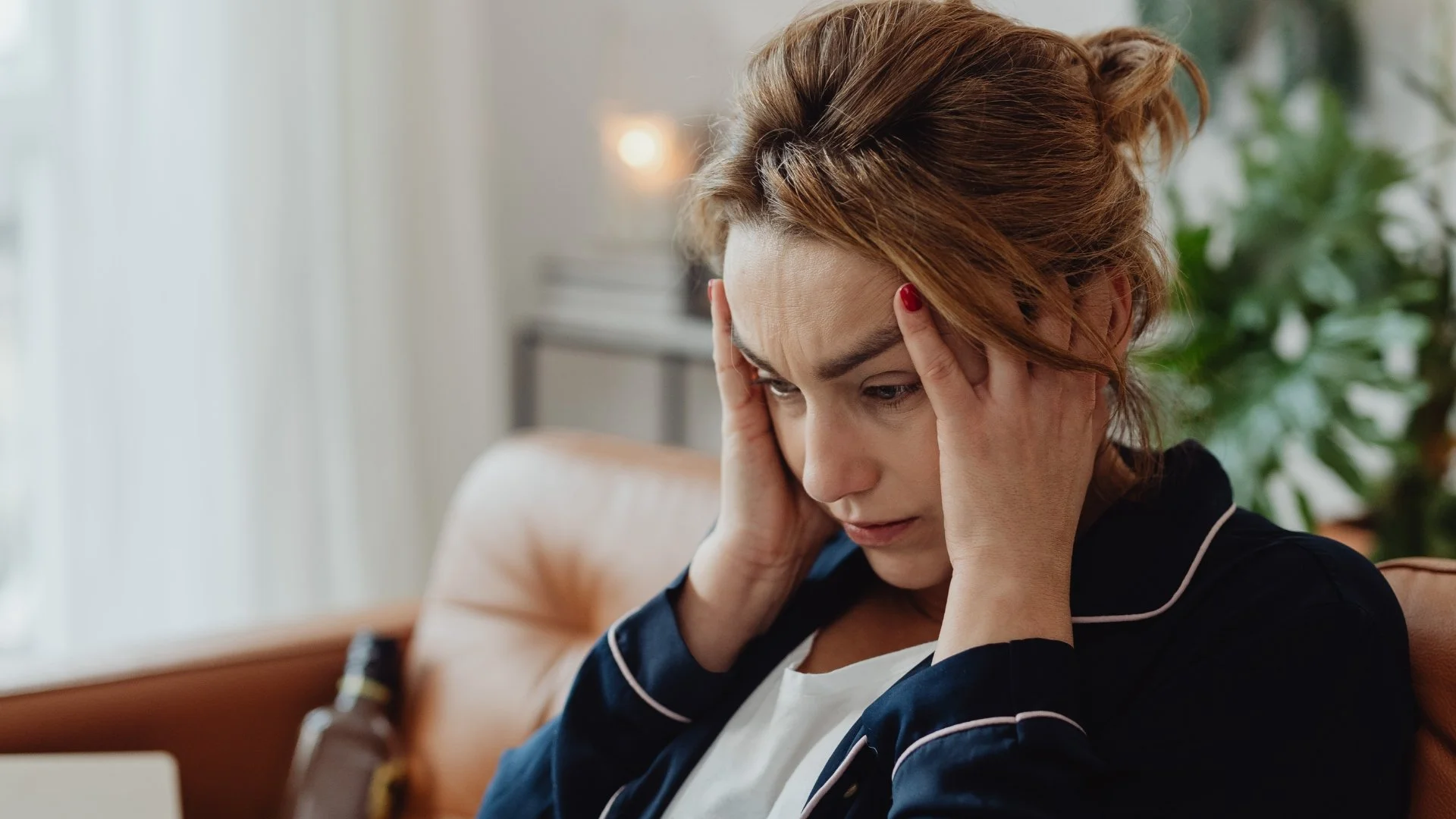
You did the list. Blue-light filters. No caffeine after noon. Consistent bedtime. Cool room. Magnesium. Maybe a wearable that keeps telling you your deep sleep is low. You still lie there asking the same question: why can’t I fall asleep?
That pattern is more common than most sleep advice admits. The usual causes of not sleeping at night are not always missing tips. Often the nervous system never fully left “on.” When the body stays guarded, deep sleep and REM shrink, sleep onset stretches, and the next day feels thin no matter what the clock says.
This article focuses on the top ways to improve sleep, starting with the foundations most people already know, then moving into techniques that work with the body and mind, and finally to one of the most effective (and least known) approaches: vibroacoustic therapy. Use what helps. When the standard tools plateau, there is a stronger physical input available.
Why the usual advice sometimes stalls
Many people do everything right and still feel tired but wired. Hyperarousal is a physiological state, not a character flaw. Heart rate stays a little elevated. Muscle guarding continues in the jaw, neck, and shoulders. Breathing stays shallower. Cognitive techniques and even good sleep hygiene work better once the body has begun to downshift. That is one of the most common reasons for not sleeping at night even when the checklist is complete.
Restorative sleep is an output of a nervous system that feels safe. This is why many people eventually look beyond tips and toward nervous system regulation therapy, and why therapy for sleeping problems increasingly points back to regulation rather than another list alone.
Top ways to improve sleep
Here are practical, evidence-informed ways to improve sleep. They move from foundational habits to body- and mind-based techniques, then to the modality that often helps when the others have been tried consistently and still fall short.
1. Sleep hygiene (the foundation)
Sleep hygiene is real and useful. A consistent bedtime and wake time, a cool dark room, limited caffeine after midday, and reduced bright or blue-heavy light in the evening all support the body’s natural timing. These habits create the conditions for sleep. They are necessary for most people—and still incomplete for many whose nervous systems stay guarded into the night. Treat hygiene as the base layer, not the entire solution.
2.The 4-7-8 deep breathing approach (and other breathing techniques for sleep)
Slow, exhale-biased breathing is one of the fastest ways to signal safety to the nervous system. The 4-7-8 deep breathing approach is straightforward: inhale quietly through the nose for a count of 4, hold for a count of 7, and exhale fully through the mouth for a count of 8. Repeat for a few cycles when you get into bed or if you wake at night.
You can also simply lengthen the exhale relative to the inhale. Either way, the goal is the same: lower heart rate and reduce the sense of bracing. This is one of the most practical answers to “how can I sleep quickly” that does not rely on willpower alone.
3. Vibroacoustic therapy — the body-first method most people have never tried
This is the least familiar item on the list and frequently the most effective when hygiene, breathing, progressive muscle relaxation, cognitive refocusing, and meditation have been tried and the pattern remains. Vibroacoustic therapy uses low-frequency sound delivered through a specialized lounge so the body feels the frequency, not just hears it. At True You Collective the sound lounge is the core of the Sleep Support protocol: vibration quiets sympathetic drive, reduces muscle guarding, and helps the nervous system shift toward rest before sleep is supposed to happen.
People searching for the best sound frequency for sleep often land on playlists, brown noise, or binaural tracks. Those can help some listeners. Vibroacoustic therapy is different: transducers in the lounge transmit low frequencies into the body itself. Clients often describe a progressive release of tension they did not realize they were holding in the jaw, chest, and hips, followed by a quieter mind. The session does not require you to “meditate correctly” first. The input is physical.
Many clients notice they fall asleep faster or sleep more soundly after the first session. Lasting change typically comes with weekly visits over four to six weeks. Red light and infrared sauna can sit as amplifiers around the same session.
4. Progressive muscle relaxation
Progressive muscle relaxation systematically tenses and releases muscle groups from the feet upward (or the reverse). It directly addresses muscle guarding—the residual tension in the jaw, neck, shoulders, and torso that keeps the system closer to “on.” Many people discover they were holding more tension than they realized. Used for 5–10 minutes before bed, it is a reliable body-first relaxing activity for sleep.
5. Cognitive refocusing
When the mind is busy, trying to force it empty often backfires. Cognitive refocusing gives the mind a neutral, low-stakes task instead: counting backward by threes, naming objects in a category, or running a simple visual scene that has no emotional charge. The point is not to solve problems in bed. It is to interrupt the loop of worry or planning so sleep onset has room to occur. Pair it with the 4-7-8 breathing approach for a stronger effect.
6. Meditation (when the body is ready for it)
Meditation can support sleep, especially practices that emphasize body awareness or a soft focus on the breath. It works best once some physical downshift has already begun. For people who feel braced or “tired but wired,” starting with progressive muscle relaxation or 4-7-8 breathing first often makes meditation more accessible. Meditation is a useful tool; it is not a requirement for falling asleep.
7. Support deep sleep and REM by regulating first
How much deep sleep you actually need matters less than whether your body is allowed to reach it. According to the American Academy of Sleep Medicine (AASM), healthy adults typically spend about 15–25% of the night in deep sleep. For someone sleeping seven to eight hours, that works out to roughly 60–120 minutes. Ranges vary with age, prior sleep debt, and individual biology. There is no single official target required for every single human, and consumer trackers are not clinical instruments.
The useful question is not “Did I hit exactly 90 minutes?” It is whether the body is allowed to reach and stay in those stages. When deep sleep stays chronically low and you wake unrefreshed, the first place to look is the state of the nervous system before and during the night, not another optimization layer on top of an already optimized routine. The same principle applies to people searching for how to improve REM sleep: stage balance improves more reliably when the system can downshift.
Expert Opinion
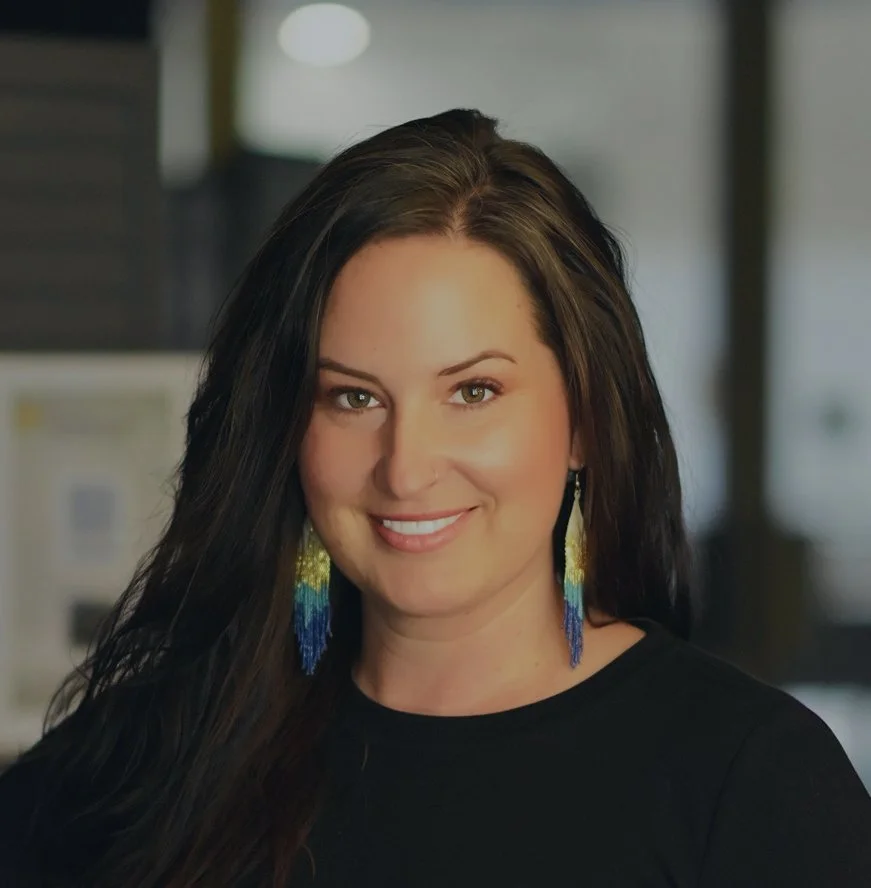
“Most of the people who come in for sleep support are not failing at hygiene. Their nervous system simply never got the signal that it was safe to power down. Low-frequency vibration gives the body that signal without asking the mind to force quiet first. When the body softens, sleep architecture has room to return. That is the shift I watch for—not a perfect tracker score, but a client who wakes and actually feels like they rested.” — Sicadia-Paige, Certified Vibroacoustic Therapy Practitioner and founder of True You Collective, Arvada, CO
About the practitioner
Sicadia-Paige is the founder of True You Collective and a certified vibroacoustic therapy practitioner. The Arvada studio has completed 500+ nervous system reboot sessions and holds a strong local review record, with clients frequently describing easier sleep, reduced tension, and a clearer sense of regulation after working with the protocol. The work is body-first and drug-free. It is not a sleep study, not CBT-I, and not apnea care.
When to stop DIY and try a stronger input
Sleep hygiene, the 4-7-8 deep breathing approach, progressive muscle relaxation, cognitive refocusing, and meditation are all worth using. Practice them consistently. If they have been in place for weeks or months and the pattern remains, tired but wired, low deep sleep on the wearable, unrefreshed mornings, the limit of pure self-regulation is real.
That is the point at which vibroacoustic therapy becomes useful. One session can show you what a regulated body feels like. A four-to-six-week cadence of weekly visits is the range most people need for the change to stick. At True You Collective this work lives inside the Sleep Support protocol in Arvada, where the sound lounge is the primary downshift and red light and heat can support the same session.
Who this is not for
This is not a substitute for a clinical sleep evaluation. If you suspect sleep apnea (loud snoring, witnessed pauses in breathing, gasping, significant daytime sleepiness despite adequate time in bed), see a physician or sleep lab. Severe clinical insomnia that has not responded to behavioral approaches may need specialized care such as CBT-I.
True You Collective does not diagnose or treat those conditions. The work here sits in the regulation layer: helping a guarded nervous system learn how to downshift so ordinary sleep architecture has a better chance to appear.
Why Aren't You Sleeping?
Answer 3 quick questions to discover whether your main sleep barrier is basic hygiene, cognitive loop, or nervous system hyperarousal.
Next steps
If you keep asking why can’t I fall asleep even after the hygiene list and the usual techniques are in place, the missing piece is rarely another tip. It is a body that has not yet been given a clear physical signal that it is safe to let go. Vibroacoustic therapy is one of the cleanest, least-known ways to deliver that signal.
You are not broken. Your nervous system is doing what it learned to do. The work is giving it a different input.
FAQ
-
Often the nervous system has not fully left “on.” Muscle tension, residual stress, and hyperarousal can keep sleep light even with good sleep hygiene, a cool room, and a consistent schedule.
-
Start with the 4-7-8 deep breathing approach, progressive muscle relaxation, or simple cognitive refocusing. These lower arousal in the body so sleep onset has a better chance of happening naturally.
-
According to the American Academy of Sleep Medicine, healthy adults typically spend about 15–25% of the night in deep sleep—roughly 60–120 minutes for someone sleeping seven to eight hours. How restored you feel the next day matters more than one night’s wearable score
-
Yes. Vibroacoustic therapy delivers low-frequency sound through a specialized lounge so the body feels the vibration, not just hears it. This can quiet sympathetic drive and reduce muscle guarding, supporting the shift into rest when standard techniques are not enough.
This article is educational and describes a wellness protocol offered at True You Collective in Arvada, Colorado. It is not a sleep study, not cognitive behavioral therapy for insomnia (CBT-I), and not medical care for sleep apnea or other clinical sleep disorders. If you have symptoms of a sleep disorder, consult a physician or accredited sleep lab.
Read more…