When your body has been carrying too much for too long, another item on your wellness checklist may not be what you need. You may need a space where your system can soften enough to receive support. Red light therapy Denver sessions offer a gentle, noninvasive way to nourish the body at a cellular level while creating room for rest, recovery, and reconnection.
For people living with chronic stress, disrupted sleep, pain, emotional fatigue, or the lingering effects of burnout, feeling better is rarely about forcing the body to work harder. It is often about giving it the right conditions to regulate. Light is one of the ways we can support that process.
What Red Light Therapy Can Support
Red light therapy uses specific wavelengths of red and near-infrared light to support cellular energy and recovery. Unlike ultraviolet light, which can damage skin, red and near-infrared wavelengths do not tan or burn the skin. The experience is typically warm, quiet, and restorative. Many people describe it as an opportunity to pause when their nervous system has forgotten how.
At a cellular level, light energy is believed to interact with mitochondria, the parts of cells involved in energy production. This is why red light therapy is often used to support healthy skin, muscle recovery, circulation, and the body’s natural repair processes. Research is still developing across many applications, and results depend on the individual, the device, the settings, and consistency. It is not a cure-all, but it can be a meaningful part of a thoughtful wellness routine.
People often seek red light therapy when they want support for sore muscles, exercise recovery, joint stiffness, skin concerns, inflammation, low energy, or sleep struggles. Others are drawn to it because they are tired of feeling disconnected from their body. The benefit may be physical, emotional, or both. When the body feels safer and more supported, it often becomes easier to hear what it has been asking for.
Why Nervous System Support Belongs in the Conversation
Your nervous system is always taking in information. Deadlines, caregiving, chronic pain, grief, poor sleep, overstimulation, and years of pushing through can all signal that it is time to stay on alert. Over time, that state can show up as tension, fatigue, irritability, anxiety, difficulty resting, or the sense that you are no longer fully yourself.
Red light therapy does not replace medical care, mental health support, movement, nutrition, or other forms of healing that may be right for you. It can, however, be a calming input in a larger nervous system-first approach. A session creates protected time away from screens, demands, and constant decision-making. The light supports the body while stillness gives your system an opportunity to downshift.
That distinction matters. Wellness is not always about chasing the strongest sensation or quickest promise. Sometimes the most powerful work is repeated exposure to signals of safety, rest, and care. Your body is not a problem to fix. It is an intelligent system that may need support remembering how to regulate.
Red Light Therapy in Denver: What a Session Feels Like
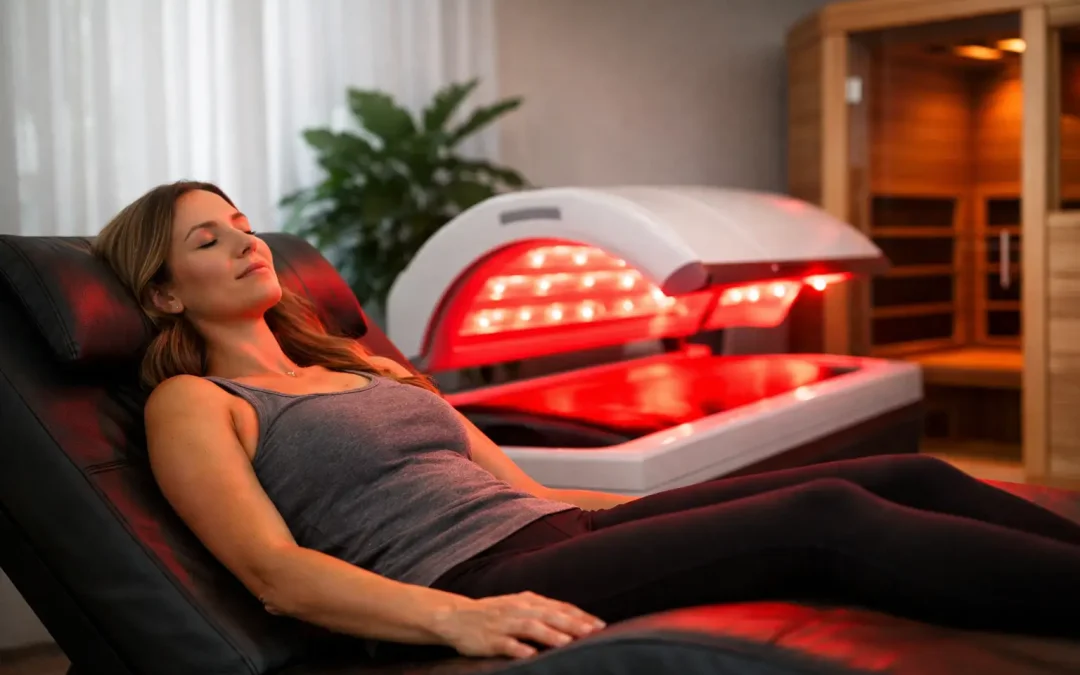
A red light therapy session should feel approachable, not intimidating. You will spend time near a professional-grade light panel while allowing the targeted wavelengths to reach your skin. Depending on the setup and your goals, you may stand, sit, or lie comfortably. Sessions are generally brief, making them accessible even when life feels full.
There is no recovery period, and most people can return to their day afterward. Some notice an immediate sense of warmth or calm. Others experience benefits gradually through regular sessions, such as improved recovery, more settled sleep patterns, or a greater ability to relax. Neither response is wrong. Bodies respond in their own timing.
Consistency tends to matter more than intensity. One session can feel wonderful, especially when you have been running on empty, but a single visit is not designed to undo months or years of accumulated stress. A regular rhythm gives the body more opportunities to receive the signal. Think of it less as a one-time fix and more as a practice of returning to yourself.
Before beginning, share relevant health information with your provider. If you are pregnant, have a medical condition, take medications that increase light sensitivity, or are managing an active health concern, consult an appropriate licensed medical professional to understand what is right for you. A supportive wellness experience should always make room for individual context.
Why Pairing Light With Sound and Vibration Can Go Deeper
Light can be powerful on its own. At True You Collective, it can also be part of a more integrated experience that meets the body through multiple senses. This is where vibroacoustic therapy offers a distinct layer of support.
Vibroacoustic therapy uses carefully designed sound frequencies and therapeutic vibration to create a felt experience in the body. Rather than asking you to think your way into calm, it gives your nervous system sensory information it can receive directly. The sound you hear and the vibration you feel work together through a process called entrainment, helping the body settle into a more regulated state.
This approach can be especially meaningful for people who know what they need to do but cannot seem to make their body follow. You may understand breathwork, meditation, or mindfulness and still find yourself unable to relax. That is not a personal failure. A dysregulated system may need more than instruction. It may need an embodied experience of safety.
When red light therapy is paired with vibroacoustic therapy, infrared heat, or an Immersion Reboot session, the intention is not to overwhelm the system with more technology. It is to create a coherent environment for restoration. Light supports cellular energy. Vibration and sound offer nervous system input. Heat can encourage relaxation and circulation. Together, these modalities can help you move from bracing to receiving.
How to Make Your Sessions More Meaningful
You do not need a perfect ritual for red light therapy to be beneficial. Still, a few simple choices can help you get more from the experience. Arrive a few minutes early if possible, so you are not rushing directly from a stressful moment into stillness. Let your provider know what has been present for you, whether that is poor sleep, pain, a demanding work season, or emotional overwhelm.
During the session, resist the pressure to perform relaxation. You do not have to clear your mind or make yourself feel calm. Notice the warmth, your breath, the support beneath you, or simply the fact that you have chosen to pause. Afterward, drink water, move gently if your body wants movement, and observe how you feel later that day and the next morning.
For some people, regular red light sessions fit naturally into a recovery-focused routine alongside movement and sleep support. For others, the deeper value is having a consistent place to reset after caring for everyone else. Memberships and packages can make ongoing care more accessible, but the best rhythm is the one that respects your body, schedule, and resources.
Is Red Light Therapy Right for You?
Red light therapy may be a good fit if you are looking for a noninvasive, low-demand way to support recovery and well-being. It can be especially appealing when stress has made high-effort self-care feel impossible. You do not have to be in crisis to benefit from more rest, and you do not need to wait until you are completely depleted to seek support.
It also helps to hold realistic expectations. Red light therapy is not meant to diagnose, treat, or replace care for medical conditions. If your symptoms are persistent, severe, or changing, seek guidance from a licensed healthcare professional. The most grounded wellness plans leave room for both professional medical care and the body’s own capacity for restoration.
There is no single path to healing. Yet when you repeatedly give your body experiences of warmth, quiet, nourishment, and safety, you begin to build a relationship with yourself that stress cannot so easily take away. Sometimes feeling like yourself again begins with the simple decision to let your system rest.