
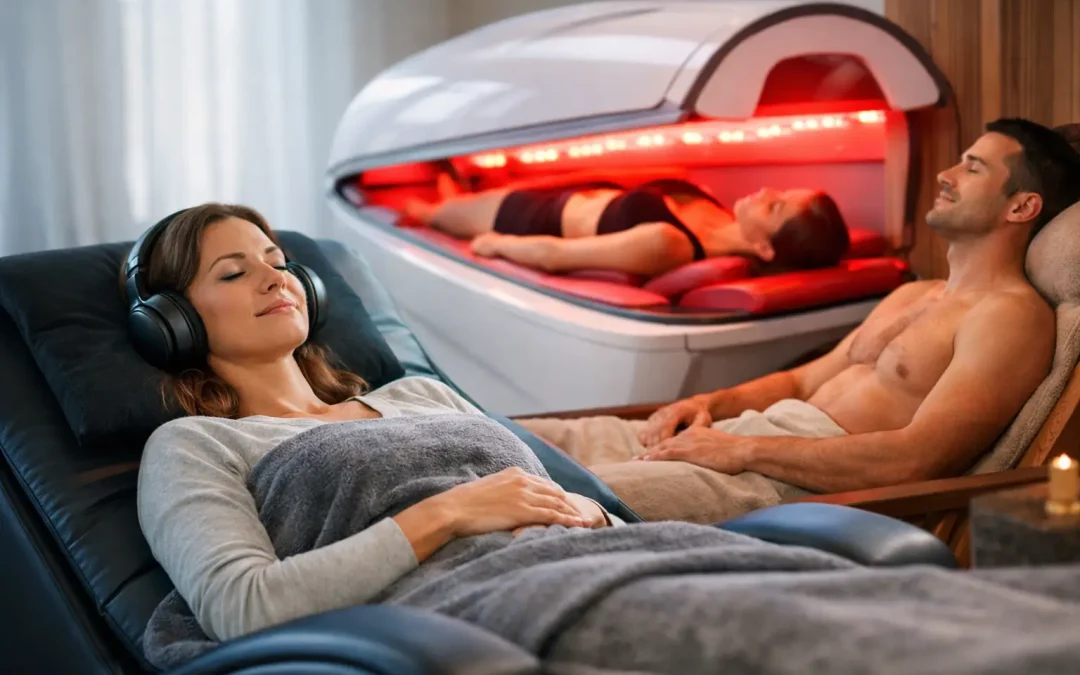
Pain can make your world smaller. It can turn a full night of sleep into a negotiation, make a familiar drive feel long, or leave you bracing for the next flare before the day has even begun. The best non invasive pain relief therapies do more than distract from discomfort for an hour. They create conditions that help the body settle, regulate, and access its own capacity for repair.
That does not mean there is one perfect therapy for every body or every kind of pain. Pain is personal, and it is often layered. Old injuries, inflammation, poor sleep, emotional stress, grief, repetitive strain, and a nervous system that has spent too long on high alert can all shape what you feel. A thoughtful approach looks beyond the painful area and asks a more useful question: what does your body need to feel safe enough to soften?
Why pain relief starts with nervous system regulation
Pain is not imagined, and it is not simply “in your head.” It is a real protective experience shaped by signals from the body and the brain. When the nervous system is under sustained pressure, it may become more sensitive to those signals. Muscles stay guarded. Sleep gets lighter. Recovery can feel frustratingly slow. Even a small stressor can make discomfort feel louder.
This is why nervous system support can be so meaningful for chronic pain, tension patterns, burnout, and pain that seems to rise and fall with stress. Regulating the nervous system does not dismiss the physical cause of pain. It supports the internal environment in which healing, movement, rest, and resilience become more available.
The most effective non-invasive options tend to work best as part of a consistent rhythm rather than a one-time rescue plan. Think of them as signals of safety repeated often enough for the body to begin believing them.
Best non invasive pain relief therapies to consider
Vibroacoustic therapy for deep settling
Vibroacoustic therapy uses precisely designed low-frequency sound vibrations, felt through a specialized treatment bed or chair, alongside music or sound. These vibrations travel through the body as you rest, creating an experience that is both deeply physical and deeply calming.
Its potential is especially compelling for people whose pain arrives alongside stress, anxiety, poor sleep, muscle tension, or emotional overwhelm. The body does not have to perform, explain, or push through. It gets to receive. Many people describe feeling grounded, heavy in the best way, and more at home in their bodies after a session.
The science behind vibroacoustic therapy continues to grow, with research exploring its role in relaxation, pain perception, muscle tension, mood, and autonomic nervous system regulation. One key concept is entrainment: the tendency for biological rhythms to respond to an external rhythm. Gentle, intentional vibration and sound may help guide an overactivated system toward a calmer state.
Vibroacoustic therapy is not a replacement for medical evaluation when pain is new, severe, or unexplained. But for the person who is tired of feeling wired, guarded, and disconnected from their body, it can be a powerful way to begin restoring a sense of internal safety.
Red light therapy for cellular support
Red light therapy, also called photobiomodulation, uses specific wavelengths of red and near-infrared light to support cellular function. Unlike ultraviolet light, it does not tan or burn the skin. The experience is gentle, warm, and non-invasive.
People often seek red light therapy to support recovery after exercise, ease occasional aches, and complement a broader approach to inflammation and tissue health. Its proposed benefits relate to how light energy interacts with cells, including mitochondria, which help produce energy for cellular processes.
Results vary by concern, device quality, dosage, and consistency. It is not a quick fix for every pain condition, but it can be a valuable piece of a recovery plan, particularly when paired with good sleep, nourishing movement, and nervous system regulation.
Infrared sauna for warmth, circulation, and release
For many bodies, warmth is an immediate invitation to let go. Infrared sauna sessions use infrared heat to warm the body directly, often at temperatures that feel more tolerable than a traditional sauna. This can support circulation, relaxation, temporary relief from muscle stiffness, and the comforting sense of being held in heat.
The benefits are not only physical. A quiet sauna session creates a boundary around rest, something many high-achieving professionals, caregivers, and first responders rarely give themselves. When the body has been carrying the day in its shoulders, jaw, back, or hips, warmth can make space for a different response.
Hydration matters, and sauna is not appropriate for everyone. People who are pregnant, have certain heart or blood pressure conditions, feel unwell, or take medications that affect heat tolerance should check with a qualified healthcare professional first. Listening to your body is part of the therapy.
Gentle movement and mobility work
When pain has been present for a while, it is understandable to avoid movement. Yet complete stillness can sometimes increase stiffness, fear, and sensitivity. Gentle, paced movement can help rebuild trust between your body and your brain.
This does not mean forcing a stretch or powering through sharp pain. It may look like a short walk, supported mobility, restorative yoga, physical therapy-guided exercise, or a few minutes of slow movement synchronized with your breath. The right dose is the dose that leaves you feeling more capable, not depleted.
For structural injuries or specific movement limitations, personalized guidance can be especially helpful. A skilled provider can help you distinguish productive effort from a signal to pause.
Breathwork and mindfulness-based practices
Breath and attention are always with you, which makes them useful companions between appointments and during a flare. Slow breathing, particularly with a longer exhale, can support the parasympathetic nervous system, the branch associated with rest and recovery. Mindfulness practices can also help reduce the extra layer of fear and tension that often gathers around pain.
These practices are not about pretending pain is absent. They are about meeting the present moment without adding more alarm to an already activated system. For some people, stillness can initially feel uncomfortable. If that is true for you, start small: one hand on the chest, one slow exhale, or a two-minute body scan while seated.
Choosing the therapy that fits your body
The “best” option depends on what your pain is asking for. If you feel tense, restless, emotionally exhausted, and unable to truly rest, vibration, sound, and heat may offer a meaningful place to begin. If soreness follows training or physical demands, red light therapy and gentle recovery practices may fit naturally. If pain changes suddenly, includes numbness or weakness, follows an accident, or comes with concerning symptoms, medical assessment should come first.
It also helps to notice whether a therapy leaves you feeling more regulated afterward. Relief matters, but so does your capacity to sleep, move, think clearly, and respond to daily life with less reactivity. Those are signs that your system may be receiving more than a temporary break.
At True You Collective, therapies such as vibroacoustic therapy, red light therapy, infrared sauna, and the Immersion Reboot session are designed to work together in support of this whole-body recalibration. The goal is not to force healing. It is to create a space where your body can remember the rhythms of rest, safety, and restoration.
A gentler path forward
You do not have to earn relief by pushing harder. Sometimes the next step is not another thing to manage, but a quiet, repeated invitation for your nervous system to come out of defense. With the right support and a little consistency, pain relief can become part of a larger return to yourself – calmer, clearer, and more able to live inside your own life again.