
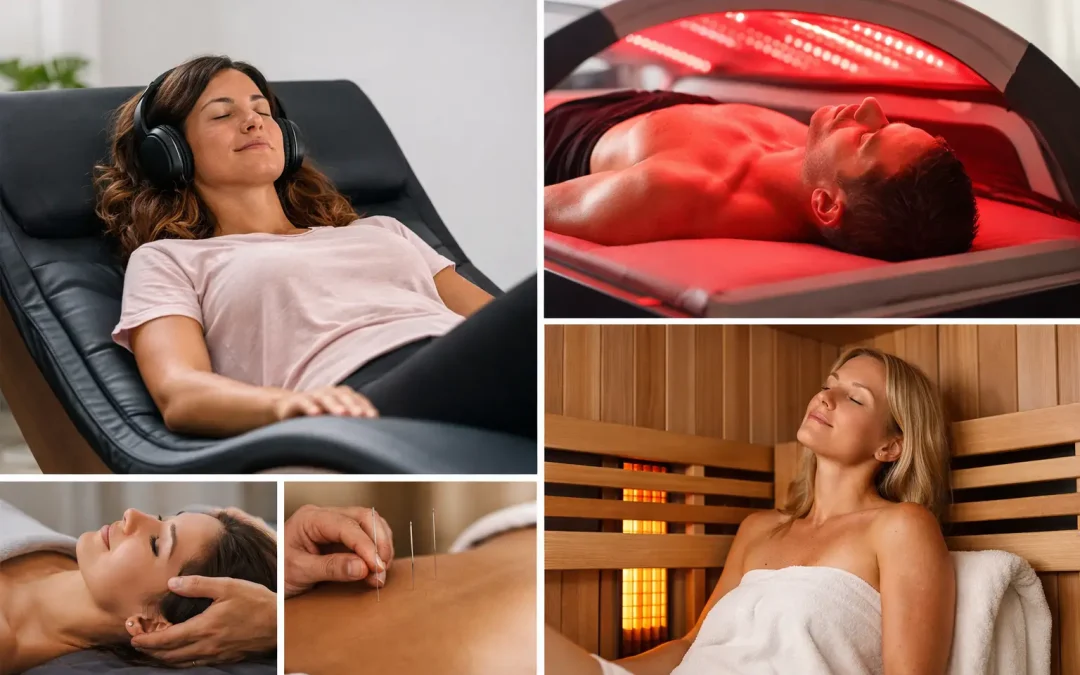
When your body feels stuck in stress, it rarely shows up in just one way. It can look like poor sleep, a short fuse, brain fog, chronic pain, emotional heaviness, fatigue that never fully lifts, or that wired-but-exhausted feeling that makes rest feel out of reach. That is why more people are searching for the top therapies for nervous system support – not to chase another quick fix, but to help the body remember how to settle, regulate, and heal.
The nervous system sits underneath so much of how we feel. When it is overloaded for too long, everything can start to feel harder. Focus slips. Recovery slows. Even joyful moments can feel muted. Supporting the nervous system is not about forcing calm. It is about creating the right conditions for safety, repair, and reconnection.
Why nervous system support matters so much
A dysregulated nervous system can keep the body acting as if the threat is still present, even when the moment has passed. That state may show up as hypervigilance, shallow breathing, tension, inflammation, digestive changes, disrupted sleep, or emotional overwhelm. For some people, it feels like anxiety. For others, it looks more like numbness, shutdown, or burnout.
This is where the right therapy can make a real difference. Not because one session magically changes your life, but because consistent support helps signal to the body that it does not have to keep bracing. Science meets soul here. The body is intelligent, and your body remembers how to heal when it is given the right input.
Top therapies for nervous system support that work with the body
Not every therapy is right for every person or every season. Some people need deep sensory calming. Others need support with inflammation, pain, or fatigue before they can fully relax. The best approach often depends on your symptoms, your stress load, and how your body responds to stimulation.
Vibroacoustic therapy
If there is one modality that deserves more attention in conversations about regulation, it is vibroacoustic therapy. This therapy uses low-frequency sound vibrations that move through the body while calming audio supports the mind. The effect is not just something you hear. It is something you feel.
Vibroacoustic therapy is especially powerful for nervous system support because it works through entrainment. In simple terms, the body begins to sync with steady, therapeutic frequencies. That can help shift the system out of chaos and toward coherence. For someone living in a constant state of internal noise, that felt sense of rhythm and safety can be profound.
People often seek vibroacoustic therapy for stress, chronic pain, sleep issues, anxiety, emotional overload, and burnout. It is non-invasive, deeply restorative, and accessible for people who struggle to meditate or relax on command. Instead of asking the body to calm itself through willpower, this therapy offers a direct sensory pathway into regulation.
That said, results can vary depending on frequency of sessions and the level of dysregulation present. Someone under acute stress may feel relief right away but still need repetition to create lasting change. This is where consistent care matters.
Red light therapy
Red light therapy supports the body at a cellular level. It is often chosen for skin health, inflammation, recovery, and pain, but its effects can also support the nervous system indirectly by reducing some of the physical stressors that keep the body on alert.
When inflammation is high or pain is persistent, the nervous system has a harder time finding ease. Red light therapy can help calm that loop. Many people report feeling more restored, less achy, and more clear-headed after regular sessions. It is not sedating in the way some calming therapies are, so it can be a good option for people who want support without feeling overly slowed down.
This modality tends to work well as part of a bigger plan. On its own, it may help ease physical load. Combined with therapies that more directly regulate the stress response, it can become even more supportive.
Infrared sauna
Infrared sauna offers a different kind of nervous system support. The gentle heat helps relax muscles, improve circulation, encourage detox pathways, and create a container for deep exhale. For many people, heat feels grounding. It softens the body enough for the mind to follow.
There is also something important about the ritual of pausing. Stepping into warmth, unplugging, sweating, and resting can become a signal to the nervous system that it is safe to come out of performance mode. That matters, especially for high achievers, caregivers, first responders, and anyone who has spent a long time taking care of everyone but themselves.
Still, infrared sauna is not a fit for every moment. If you are dehydrated, highly sensitive to heat, pregnant, or dealing with certain medical conditions, it may need to be modified or avoided. Nervous system care should feel supportive, not overwhelming.
Sound therapy and meditative audio
Sound has a unique ability to shape state. Slow, intentional soundscapes can reduce sensory overload, quiet mental chatter, and support a more parasympathetic response. This is one reason sound-based healing continues to resonate with people who feel disconnected from traditional relaxation techniques.
On its own, sound therapy can be subtle. For some, that subtlety is exactly what is needed. For others, especially those with higher stress loads or trauma patterns, sound may be more effective when paired with body-based input such as vibration, heat, or breathwork. The key is not how impressive a therapy sounds on paper. It is whether your body can actually receive it.
Breathwork and guided down-regulation
Breathing is one of the fastest ways to communicate with the nervous system, but it is not one-size-fits-all. Gentle, lengthened exhale practices can help shift the body toward calm and reduce that braced, shallow-breathing pattern so many people live in without realizing it.
Guided down-regulation can be especially helpful for people who feel disconnected from their body or overwhelmed by silence. A supportive voice, paced breathing, and simple cues can help rebuild a felt sense of safety. The trade-off is that breathwork requires participation. If someone is very depleted, inflamed, or resistant to inward focus, passive therapies may be the better entry point.
Bodywork and therapeutic touch
Safe, intentional touch can help the body let go of stored tension and come back into relationship with itself. Massage, craniosacral work, and other forms of therapeutic bodywork may support regulation by reducing muscular guarding and inviting the body into rest.
This can be deeply helpful, especially for people whose stress is held physically. But touch-based therapies are personal. Some nervous systems respond beautifully. Others need more spacious, less direct support first. There is no gold star for choosing the most intense option. The best therapy is the one your body can trust.
Multi-modality sessions
Sometimes the most effective approach is not a single therapy but a thoughtfully layered experience. Combining vibration, sound, light, and heat can create a full-body reset that reaches multiple pathways at once. For people dealing with chronic stress, grief, burnout, sleep disruption, or pain, that integrated approach may feel more complete than isolated treatments.
At True You Collective, this is part of the philosophy behind a full-body nervous system reboot experience. The goal is not to overwhelm the body with more input. It is to offer the right blend of supportive signals so the system can recalibrate in a way that feels both grounded and deeply restorative.
How to choose the right therapy for your nervous system
The top therapies for nervous system support are not ranked by hype. They are measured by resonance, consistency, and how your body responds over time.
If you feel wired, anxious, overstimulated, or unable to shut your brain off, vibroacoustic therapy, sound-based support, and guided down-regulation may be especially helpful. If pain, inflammation, or physical tension are keeping your system activated, red light therapy, infrared sauna, and bodywork may offer more immediate relief. If you feel both emotionally and physically depleted, a multi-modality session can sometimes bridge that gap more effectively.
It also helps to think in terms of repetition rather than rescue. One supportive session can shift your state. Ongoing care can help create a new baseline. This is where real nervous system work becomes transformative. Not because you never feel stress again, but because your body becomes better able to return to center.
For many people in Arvada and across the Denver area, that is the missing piece. They are doing their best. They are meditating, stretching, hydrating, trying to push through. But if the nervous system still feels stuck in survival mode, the body may need a more direct invitation into regulation.
Healing does not only happen one way. There are many paths back to yourself. But when a therapy helps you feel safe in your body again, even for a few moments, that is not small. That is the beginning of something your whole system has been waiting for.