
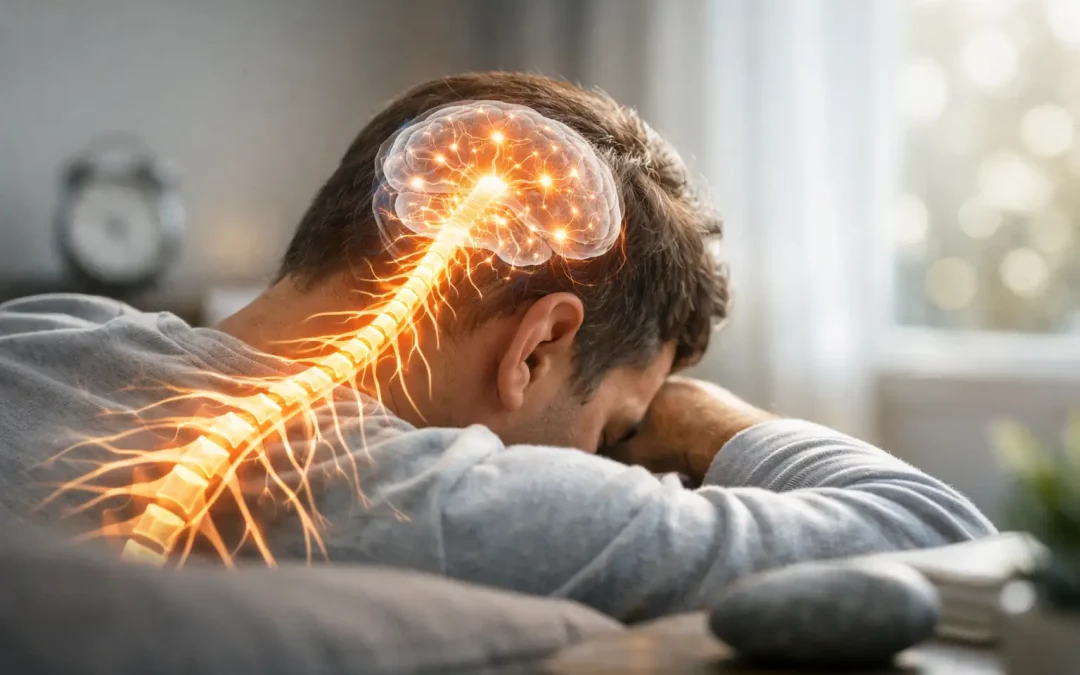
If you have been asking how long for nervous system to recover, chances are your body has been carrying more than it was meant to hold. Maybe you are sleeping but not feeling restored. Maybe your mind is tired but your body still feels wired. Or maybe stress has been living in your system for so long that it no longer feels like stress – it just feels like you.
The honest answer is that nervous system recovery is not a fixed timeline. It is a process of safety, repetition, and repair. For some people, a single session of deep regulation creates a noticeable shift. For others, especially after long-term stress, burnout, trauma, grief, chronic pain, or poor sleep, recovery unfolds in layers over weeks or months. Your body is not failing when it takes time. Your body is remembering how to heal.
How long for nervous system to recover after stress?
A short burst of stress can settle fairly quickly once the threat passes. You might notice your breath deepen, your heart rate slow, and your muscles soften within minutes or hours. But when stress becomes chronic, the nervous system can get stuck in patterns of overactivation or collapse. That is when recovery tends to take longer.
For mild dysregulation, some people feel more calm and clear within a few days of intentional rest, better sleep, hydration, and supportive nervous system care. For moderate dysregulation, it may take several weeks of consistent regulation practices to feel truly different in daily life. For deeper patterns tied to long-term burnout, emotional overwhelm, chronic inflammation, or trauma, recovery can be more gradual and cyclical. It often looks like steady progress rather than a single breakthrough moment.
This is why timing can feel confusing. You may feel better after one session and still not feel fully restored. Both can be true. Relief and recovery are not always the same thing.
What actually changes during recovery
When your nervous system begins to regulate, your body is not just calming down mentally. It is shifting biologically. Stress hormones can begin to normalize. Muscles may release held tension. Digestion can improve. Sleep becomes deeper. Pain levels may soften. Your capacity to think clearly, feel present, and respond instead of react starts to return.
This is also why recovery can feel uneven. As the system moves out of survival mode, your body may begin processing what it has postponed. Some people feel emotional. Some feel tired before they feel energized. Some notice old symptoms lessen while another layer rises to the surface. Healing is not always linear, but that does not mean it is not happening.
A regulated nervous system does not mean you never feel stress again. It means your body can move through stress and come back to center more easily.
Why some people recover faster than others
There is no universal answer because nervous system recovery depends on more than willpower. The main factors are how long your body has been under strain, how intense that strain has been, and whether you have real opportunities for repair.
Someone coming off a demanding week at work may recover relatively quickly with quality sleep, hydration, and a few targeted sessions that help the body downshift. Someone who has spent years pushing through adrenalized living, caregiving, first responder stress, unresolved grief, or chronic pain may need a longer arc of support.
Your environment matters too. If your life still feels unsafe, chaotic, overstimulating, or emotionally draining, recovery can be slower. The nervous system responds to lived experience, not just intention. That is why root-cause healing asks a different question. Not just how do I cope, but how do I help my body feel safe enough to restore?
Signs your nervous system is recovering
Recovery is often subtle before it becomes obvious. You may notice that small things do not throw you off as easily. You may wake up feeling a little more rested. Your thoughts may feel less scattered. You may need less caffeine to function or find that your body is no longer begging for constant numbing and escape.
Other signs include improved digestion, fewer stress headaches, less muscle guarding, more emotional steadiness, and a growing ability to be present in your own life. Many people also describe a sense of returning to themselves. That feeling matters. Regulation is not just about symptom reduction. It is about reconnecting with who you are underneath the stress response.
What helps the nervous system recover more efficiently
Recovery works best when the body receives clear, repeated signals of safety. That can include sleep, nourishing food, therapy, gentle movement, boundaries, time in nature, breathwork, and emotional support. But for many people, especially those who feel too activated or exhausted to meditate their way out of it, body-based therapies can help the system shift faster and more deeply.
This is where science meets soul. Therapies that work through light, sound, vibration, and heat can support the body without asking you to force calm from the mind alone. They create conditions where the nervous system can begin to entrain to a more regulated state.
Vibroacoustic therapy and entrainment
Vibroacoustic therapy uses therapeutic sound frequencies and vibration to help the body settle into patterns of regulation. Many people experience this as a full-body exhale. Instead of trying to think your way into calm, the body receives rhythm and resonance directly. This can be especially supportive for people living with anxiety, pain, insomnia, burnout, or emotional overload.
Because the nervous system learns through repetition, one session can open the door, but regular sessions often create the deeper shift. Over time, the body becomes more familiar with what regulation feels like and can return there more easily.
Red light and infrared support
Red light therapy and infrared sauna can also play a role in recovery by supporting circulation, reducing inflammation, promoting relaxation, and helping the body move out of a guarded state. When inflammation and physical tension decrease, the nervous system often follows. The body is deeply interconnected. Calming one system can help calm the whole.
This is one reason integrated care can be so powerful. Instead of chasing symptoms one by one, you support the conditions that let the body rebalance as a whole.
How to think about your timeline realistically
A more grounded question than how long for nervous system to recover may be this: what kind of recovery am I looking for?
If you want a moment of relief, that can happen quickly. If you want durable change – better sleep, less reactivity, improved resilience, fewer pain flares, a steadier mood, more energy – that usually requires consistency. Not perfection. Consistency.
Think of it like physical conditioning. One great workout can make you feel different, but lasting strength comes from repetition. Nervous system healing works the same way. Each restorative session, each night of true sleep, each moment your body feels safe enough to soften becomes part of the repair.
For many people, the most meaningful shifts happen when support becomes a rhythm instead of a rescue plan. That may look like weekly sessions for a period of time, followed by maintenance care that helps your system stay regulated even when life is still life.
When recovery feels slow
Slow progress can be discouraging, especially if you are used to pushing hard and expecting fast results. But the nervous system is not a machine you can bully into balance. It responds to patience, repetition, and trust.
If healing feels slow, it does not mean you are broken. It may simply mean your body has been surviving for a long time. Survival patterns are protective. They do not disappear because you finally have the insight to change. They shift when the body has enough lived evidence that a new state is possible.
That is why gentle, repeated care matters. At True You Collective, this is the heart of the work. Not symptom masking, but creating the conditions where your body can recalibrate, restore, and remember its own intelligence.
There may never be a perfect answer to how long for nervous system to recover, because your healing is personal. But if you keep showing your body what safety feels like, again and again, change happens. Maybe first as one deeper breath. Then one better night of sleep. Then one day when you realize you feel more like yourself than you have in a very long time. That is how recovery begins.