
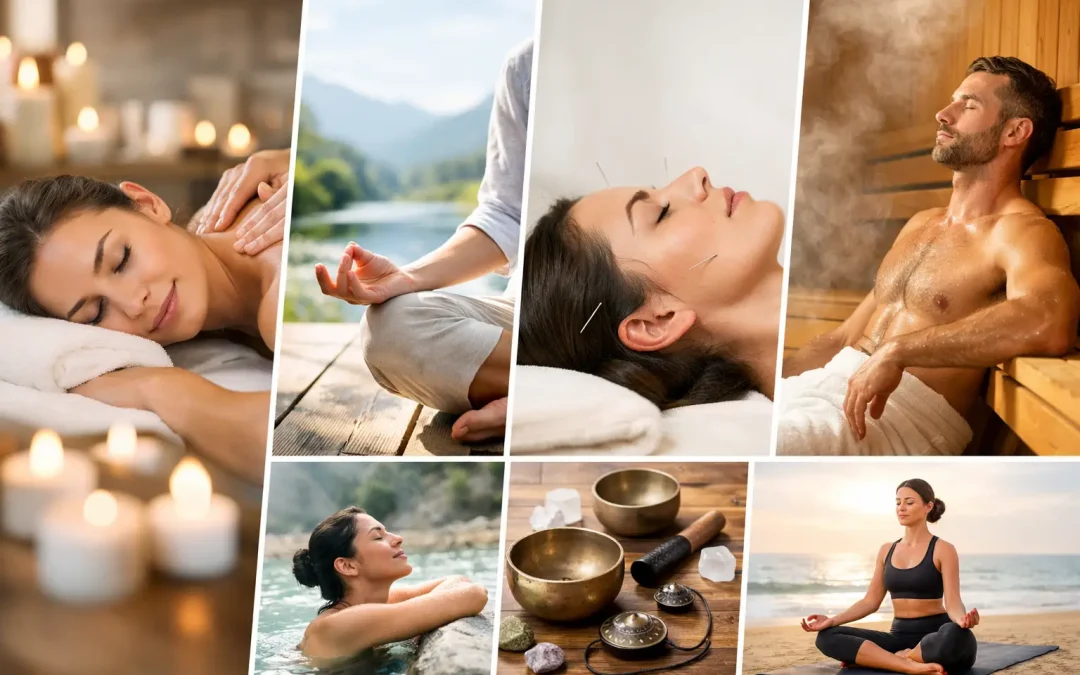
Burnout does not always look dramatic. Sometimes it looks like waking up tired after a full night of sleep, feeling wired but flat, snapping at people you love, or moving through your day with a nervous system that never seems to land. When people search for the best wellness therapies for burnout, they are often not looking for another coping strategy. They are looking for a way back to themselves.
That is the deeper truth of burnout. It is not just mental exhaustion or having too much on your plate. Burnout is often a whole-body state of dysregulation. Your system has been carrying stress for so long that rest no longer feels simple. You may know how to take a day off and still not feel restored. You may have tried supplements, meditation, workouts, or another wellness plan and still feel like your body is stuck in survival mode.
The therapies that help most are the ones that work with the nervous system, not against it. They do more than push energy into an already depleted body. They create the conditions for regulation, repair, and reconnection so your body can remember how to heal.
What burnout actually needs from therapy
The best support for burnout is not always the most intense or trendy treatment. It is the therapy that meets your body where it is. For some people, that means reducing inflammation and improving sleep. For others, it means helping the body feel safe enough to come out of hypervigilance. Often, it means both.
A useful therapy for burnout should do at least one of three things well. It should calm an overactive stress response, support physical recovery, or help restore energy without overstimulating the system. The strongest approaches usually combine all three over time.
This is why nervous system-first care matters. If your body is locked in fight, flight, freeze, or functional shutdown, even healthy habits can feel like one more demand. Real healing tends to happen when regulation comes first.
The best wellness therapies for burnout
Vibroacoustic therapy
If burnout has left you feeling anxious, depleted, emotionally flooded, or unable to fully relax, vibroacoustic therapy is one of the most effective places to begin. This therapy uses sound frequencies and vibration delivered through the body to support nervous system regulation. Instead of asking you to think your way into calm, it gives your body a physical experience of it.
That distinction matters. Many burned-out people know they need to relax, but their bodies do not know how to get there anymore. Vibroacoustic therapy helps shift that pattern through entrainment, where your system begins to synchronize with therapeutic frequencies associated with rest, repair, and regulation. It can support better sleep, reduced stress, emotional grounding, pain relief, and a greater sense of internal safety.
It is especially helpful for people who are exhausted but still feel keyed up. If your mind races while your body feels heavy, this kind of therapy can bridge the gap between mental awareness and physical recovery.
Red light therapy
Burnout is not only emotional. It often shows up in the tissues as inflammation, slowed recovery, brain fog, and fatigue that lingers no matter how much coffee or determination you throw at it. Red light therapy supports the body at a cellular level, helping promote energy production, tissue repair, and reduced inflammation.
For someone in burnout, that can translate into better recovery after stress, improved skin tone, less soreness, more stable energy, and support for mood and sleep rhythms. It is not a magic fix, and it works best with consistency, but it can be a powerful ally when your body feels worn down.
Red light therapy is often a good fit for high performers and caregivers who have spent a long time overriding physical signals. It offers support without requiring effort, which is sometimes exactly what a depleted system needs.
Infrared sauna
There is a reason heat feels ancient and comforting. Infrared sauna therapy supports detoxification, circulation, muscle relaxation, and deep exhale. For people carrying chronic stress, it can create a much-needed sense of release.
Unlike traditional saunas that heat the air more aggressively, infrared heat warms the body more directly and often feels gentler and more tolerable. Many people notice they sleep more deeply after a session, feel less inflamed, and experience a softening of the tension they have been holding for weeks, months, or years.
That said, sauna is not ideal for every phase of burnout. If you are severely depleted, dizzy, dehydrated, or already running on empty, too much heat can feel like another stressor. This is where personalized care matters. A therapy can be beneficial and still need the right timing, duration, and dose.
Sound therapy and guided rest experiences
Burnout tends to fracture attention. You can feel overstimulated and numb at the same time. Sound-based therapies and guided rest experiences help interrupt that cycle by giving the brain and body a new rhythm to follow.
When sound is used intentionally, it can support slower brainwave states associated with relaxation, meditation, and healing. This can be profoundly helpful for people who struggle with sleep, anxiety, grief, or emotional fatigue. It is also accessible for those who find silent meditation frustrating or impossible right now.
This kind of therapy is not about escaping your life. It is about creating enough spaciousness inside your system that you can return to your life with more steadiness.
Body-based therapies that regulate, not force
Massage, gentle touch therapies, assisted stretching, and other body-based practices can be supportive for burnout when they are approached through the lens of regulation. The key is not intensity. The key is helping the body shift from guarding and bracing into receiving.
Many burned-out people are disconnected from their bodies after years of pushing through pain, stress, or grief. Therapies that restore body awareness can help rebuild trust. You begin to notice your signals earlier. You start to feel what calm actually feels like. That is not small. It is foundational.
Still, more pressure is not always better. Deep tissue work can be helpful for some, but for others it can feel overwhelming when the nervous system is already overloaded. The best therapy is the one your body can integrate.
Breathwork and nervous system regulation practices
Not every effective burnout therapy has to involve equipment, but the approach matters. Breathwork can be transformative when it is used to regulate the nervous system rather than force a cathartic experience. Slow, grounded breathing patterns can support vagal tone, reduce stress chemistry, and help bring the body back into a state of safety.
This is especially useful between sessions of more immersive care. Small, repeatable practices often help the body hold onto the benefits of deeper therapies. The goal is not perfection. It is repetition, rhythm, and building capacity over time.
Multi-modality recovery experiences
For many people, the best wellness therapies for burnout are not singular. They work best in combination. Burnout affects the mind, body, emotions, and energy all at once, so recovery often needs layered support.
A multi-modality experience can combine vibration, light, heat, and rest in a way that helps the whole system downshift and reboot. This kind of immersive approach is especially helpful for people who feel like one treatment at a time is not enough to create a real shift. When therapies are paired thoughtfully, they can amplify each other.
At True You Collective, that is the idea behind a full-body nervous system reboot experience. It is designed not just to help you feel better for an hour, but to help your system remember a different baseline.
How to choose the right burnout therapy for you
Start with your symptoms, but listen underneath them. If you are anxious, overstimulated, and unable to rest, begin with therapies that cue safety and regulation, such as vibroacoustic therapy or sound-based rest. If your body feels inflamed, sore, and chronically depleted, red light therapy and infrared sauna may offer more noticeable relief.
If you feel emotionally shut down, grief-stricken, or disconnected from yourself, gentler body-based and sensory therapies may help you reconnect without needing to explain everything in words. And if you have tried one-off self-care without lasting change, that may be a sign your body needs consistency rather than a single reset.
Burnout recovery is rarely about doing more. It is about doing what your system can actually receive.
What makes burnout healing last
The therapies matter, but the pattern matters more. Nervous systems change through repetition. One deeply restorative session can open the door, but ongoing support is often what helps the body build a new normal.
That is why the most effective care is often structured, gentle, and consistent. Not punishing. Not performative. Just supportive enough, often enough, that your body stops preparing for the next crash.
If burnout has taken you far from yourself, healing may begin with something surprisingly simple: letting your body experience safety again. From there, clarity returns. Sleep softens. Energy becomes steadier. You feel more present in your own life. And little by little, the part of you that felt lost starts to come back online.