
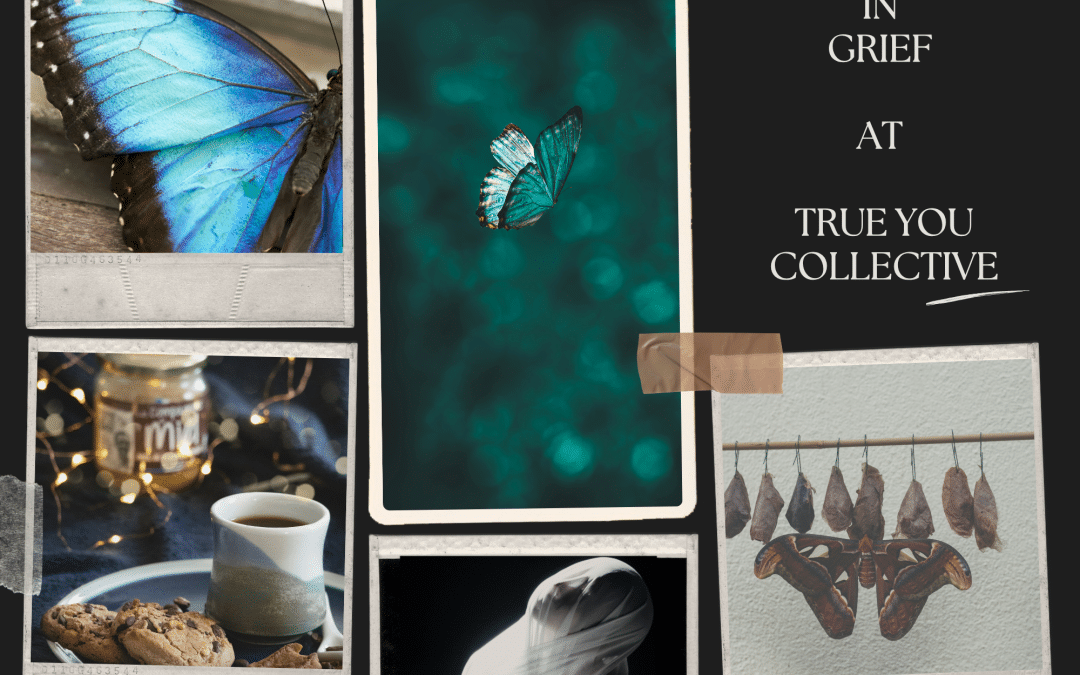
Grief often shows up physically before emotionally. Learn 8 body-based signs your nervous system needs cocooning and gentle regulation in Arvada, CO.
Grief doesn’t always arrive as tears.
Sometimes it shows up as exhaustion you can’t explain.
A body that feels heavy.
Pain that moves.
A nervous system that won’t settle.
We’re often taught to think of grief as emotional — something to talk through or think our way out of. But grief is just as much a physiological experience as it is an emotional one.
When grief isn’t given space to move, it often takes up residence in the body.
Why Grief Becomes Physical
Grief activates the nervous system.
Loss — whether sudden or prolonged — signals threat, change, and uncertainty.
When the nervous system doesn’t feel safe enough to process that loss, the body adapts by holding.
Not because you’re doing anything wrong —
but because your system is trying to protect you.
Over time, this can look like symptoms that don’t immediately read as “grief,” yet are deeply connected to it.
8 Hidden Signs Grief Is Living in Your Body
1. Persistent Fatigue That Rest Doesn’t Fix
You sleep, but you never feel restored.
This isn’t laziness — it’s nervous system exhaustion from prolonged activation.
2. Tightness in the Chest, Throat, or Jaw
Unspoken emotion often shows up here.
The body braces when it doesn’t feel safe enough to release.
3. Digestive Changes or Gut Discomfort
Grief directly affects the gut via the vagus nerve.
Bloating, nausea, or “knots” can be emotional processing trying to happen.
4. Pain That Moves or Has No Clear Cause
Grief stored in fascia often migrates.
One day it’s the neck. Another day the low back. Another day the hips.
5. Feeling Disconnected or “Not Quite Here”
This can be a sign of nervous system shutdown — a protective response when emotions feel too much.
6. Heightened Anxiety or Emotional Reactivity
Small things suddenly feel overwhelming.
Your system may be living in constant alert, even when nothing is wrong.
7. Trouble Letting Go or Slowing Down
Stillness feels uncomfortable.
Busyness becomes a coping strategy to avoid what the body is holding.
8. A Quiet Knowing That Something Needs to Change
This one is subtle — but powerful.
A felt sense that pushing through isn’t working anymore.

What It Means to Cocoon
Cocooning isn’t withdrawal.
It’s intentional nervous system support.
A cocoon is a space where:
- the body can soften
- the nervous system can downshift
- grief can move without being forced or explained
Cocooning allows grief to be metabolized through sensation, rhythm, breath, vibration, and rest — not just words.
Why Talk Alone Isn’t Always Enough for Grief
Talk therapy can be incredibly supportive.
But grief doesn’t always live in language.
It lives in:
- fascia
- breath
- posture
- the gut
- the nervous system
Sometimes talking about grief can actually re-activate it before the body is ready to release.
A body-based approach offers another doorway — one where safety comes first.
Grief Moves When the Nervous System Feels Safe
When the nervous system is supported:
- muscles soften
- breath deepens
- emotions move through instead of getting stuck
- pain often quiets
- regulation returns gradually
This isn’t about rushing healing.
It’s about creating the conditions where healing can happen naturally.
You Don’t Have to Carry It Alone
Grief changes us.
But it doesn’t have to live forever in the body as tension, pain, or exhaustion.
Sometimes the most compassionate next step isn’t to push harder —
but to cocoon.
To rest.
To receive.
To let the nervous system remember how to soften again.

🌿 A Gentle Invitation
If this resonated, you’re not alone.
Many people in Arvada and the greater Colorado area are quietly carrying grief in their bodies without realizing there are gentle, body-based ways to support release and regulation.
At True You Collective in Arvada, CO, we offer nervous system-focused, non-invasive modalities — including vibroacoustic therapy, sound and frequency-based support, and cocoon-style sessions — designed to help the body feel safe enough to unwind and process at its own pace.There’s no pressure to talk or explain.
Sometimes the next step is simply allowing yourself to be held.